HRAS is a membrane-associated GTPase that acts as a molecular switch in cell signaling, cycling between active and inactive states as it binds and hydrolyzes GTP. It belongs to the RAS family of proto-oncogenes and helps transmit growth and survival signals through pathways such as MAPK and PI3K. Germline mutations in HRAS cause Costello syndrome, a developmental disorder marked by distinctive facial features, growth and cognitive problems, and a predisposition to tumors. Somatic HRAS mutations also drive many cancers, including cancers of the thyroid, bladder, and salivary glands.
This variant
Germline HRAS mutations cause Costello syndrome and somatic mutations drive cancers of the thyroid, bladder, and salivary glands, so a missense change in HRAS is potentially relevant to disease. This variant, p.(Glu3Lys), is absent from population databases but has no reported pathogenic, functional, or clinical evidence, so it cannot yet be assigned pathogenic or benign significance and remains a variant of uncertain significance pending further observations.
Transcript
NM_005343.4
HGVS · transcript:coding
NM_005343.4:c.7G>A
GRCh38
chr11:534316 C>T
GRCh37
chr11:534316 C>T
BasisOnly PM2 (Supporting) is met under the ClinGen RASopathy HRAS v2.3 framework; no criteria-combination rule fires from a single Supporting criterion, so the result defaults to Uncertain Significance.▾
Only PM2 (Supporting) is met under the ClinGen RASopathy HRAS v2.3 framework; no criteria-combination rule fires from a single Supporting criterion, so the result defaults to Uncertain Significance.
Classification rationale
PM2VUS
HRAS c.7G>Amissense · exon 2
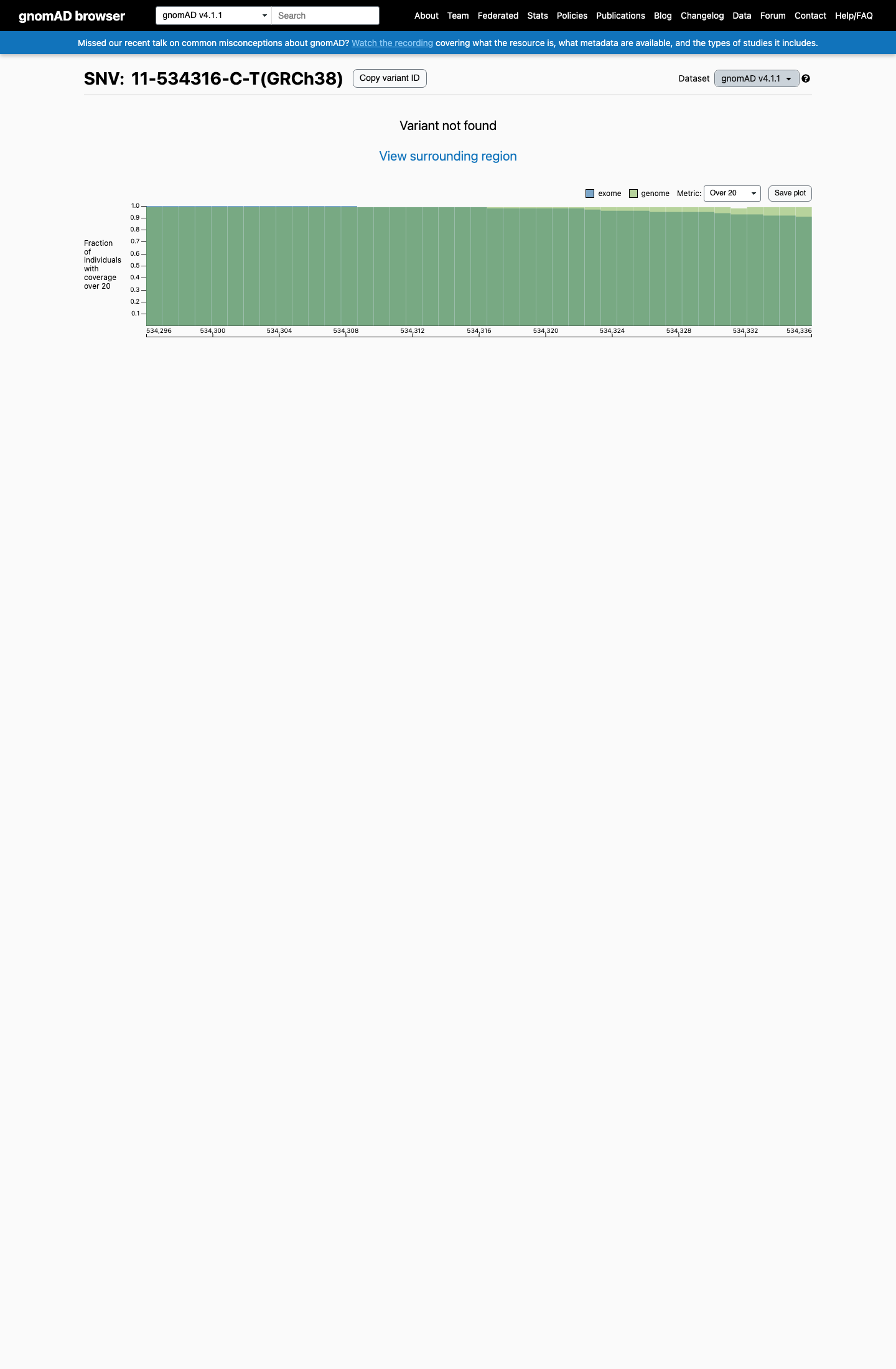
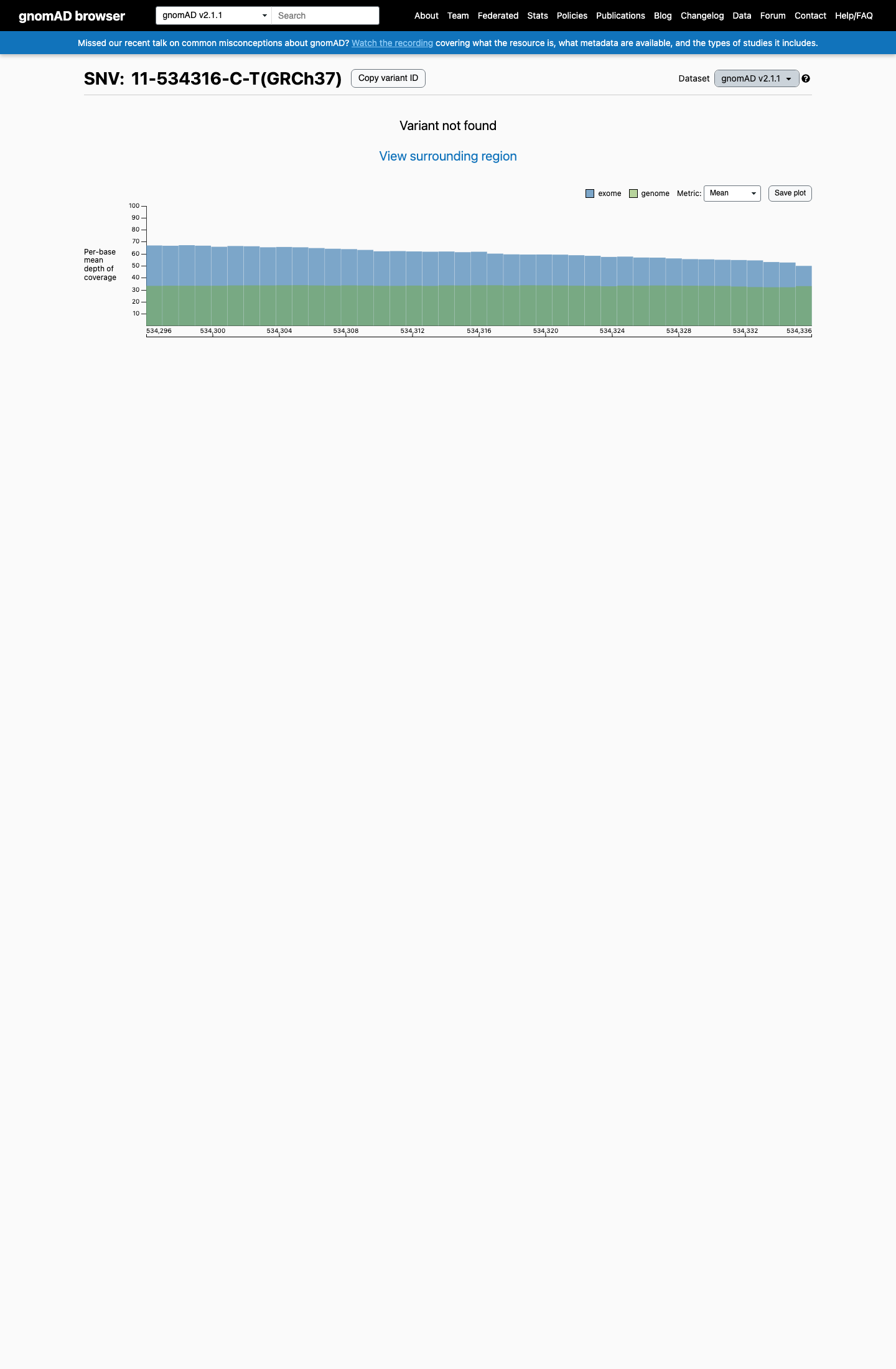
PM2 (Supporting): absent from gnomAD v2.1, v4.1, and gnomAD-Canada v1.0. With only this Supporting criterion met, no combination rule fires and the variant is classified as a variant of uncertain significance (VUS).
PM2→VUS
Gene diagram
· NM_005343.4 · variants mapped to exon structure
HRASNM_005343.4
Fetching transcript structure from UCSC…
Exons
—
Transcript span
—
Strand
—
Variants mapped
—
Source
UCSC ncbiRefSeqCurated
All variants in HRAS—click a row to locate it on the plot · use the link column to open its page
Variant ↕
Protein
Location
Classification
Link
Applied criteria · 1 applied · 16 assessed
MetEvidence satisfies this criterion.
Not metEvaluated against available evidence; threshold not reached.
Not assessedApplies in principle, but no evidence was found to evaluate it.
N/ADoesn't apply to this variant type.
Applied · 1
Strength Supporting Moderate Strong Very strong
✓
PM2supportingPathogenic
Met (supporting): absent from gnomAD v2.1, v4.1, and gnomAD-Canada v1.0.
The HRAS ClinGen RASopathy VCEP framework specifies PM2 at supporting strength when the variant is absent from controls in gnomAD.The variant is reported as absent from gnomAD v2.1, gnomAD v4.1, and gnomAD-Canada v1.0.
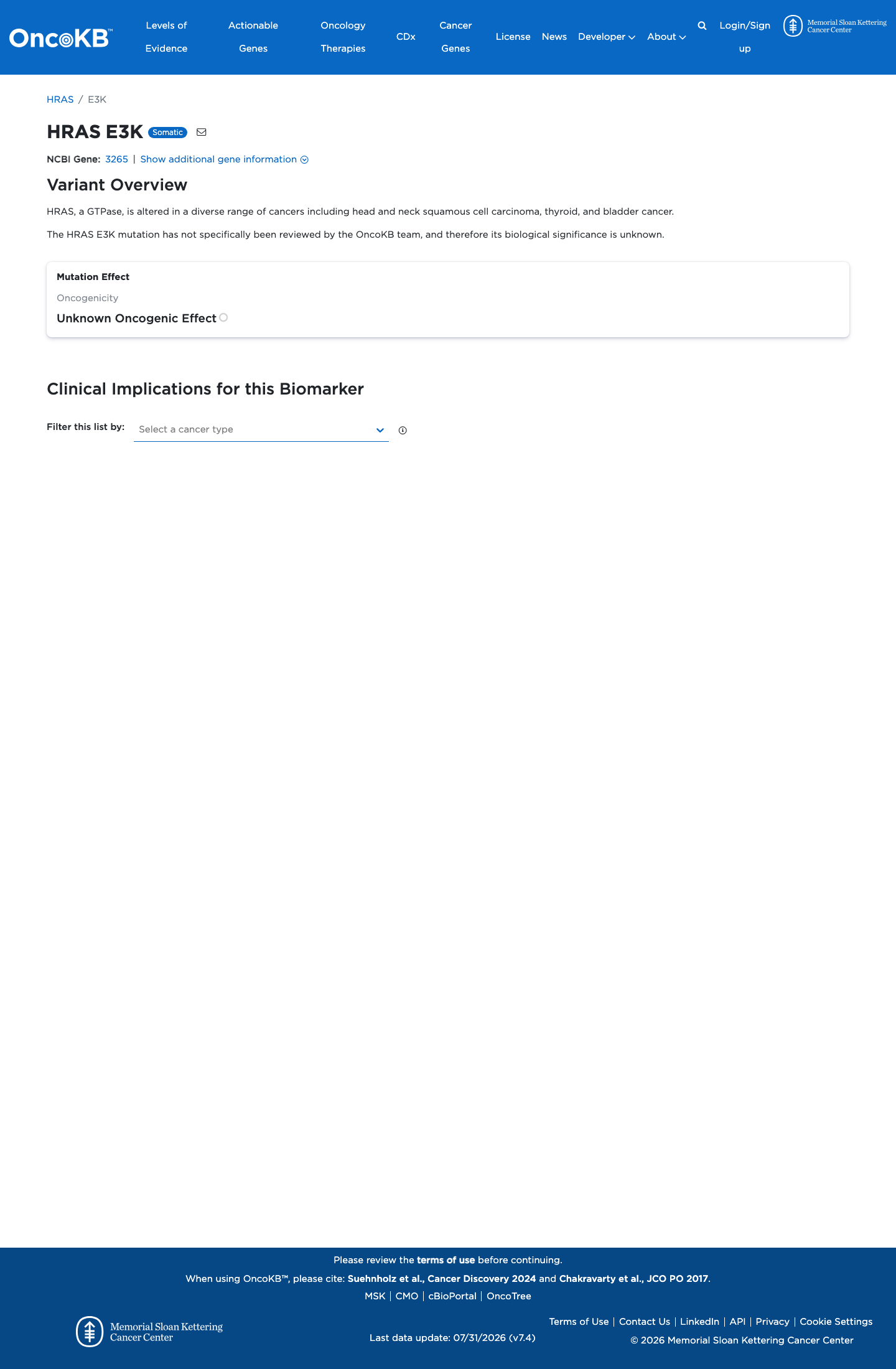
OncoKB did not identify variant-specific reviewed functional evidence for this variant; gene-level curated context is available for reviewer follow-up. HRAS, a GTPase, is altered in a diverse range of cancers including head and neck squamous cell carcinoma, thyroid, and bladder cancer.
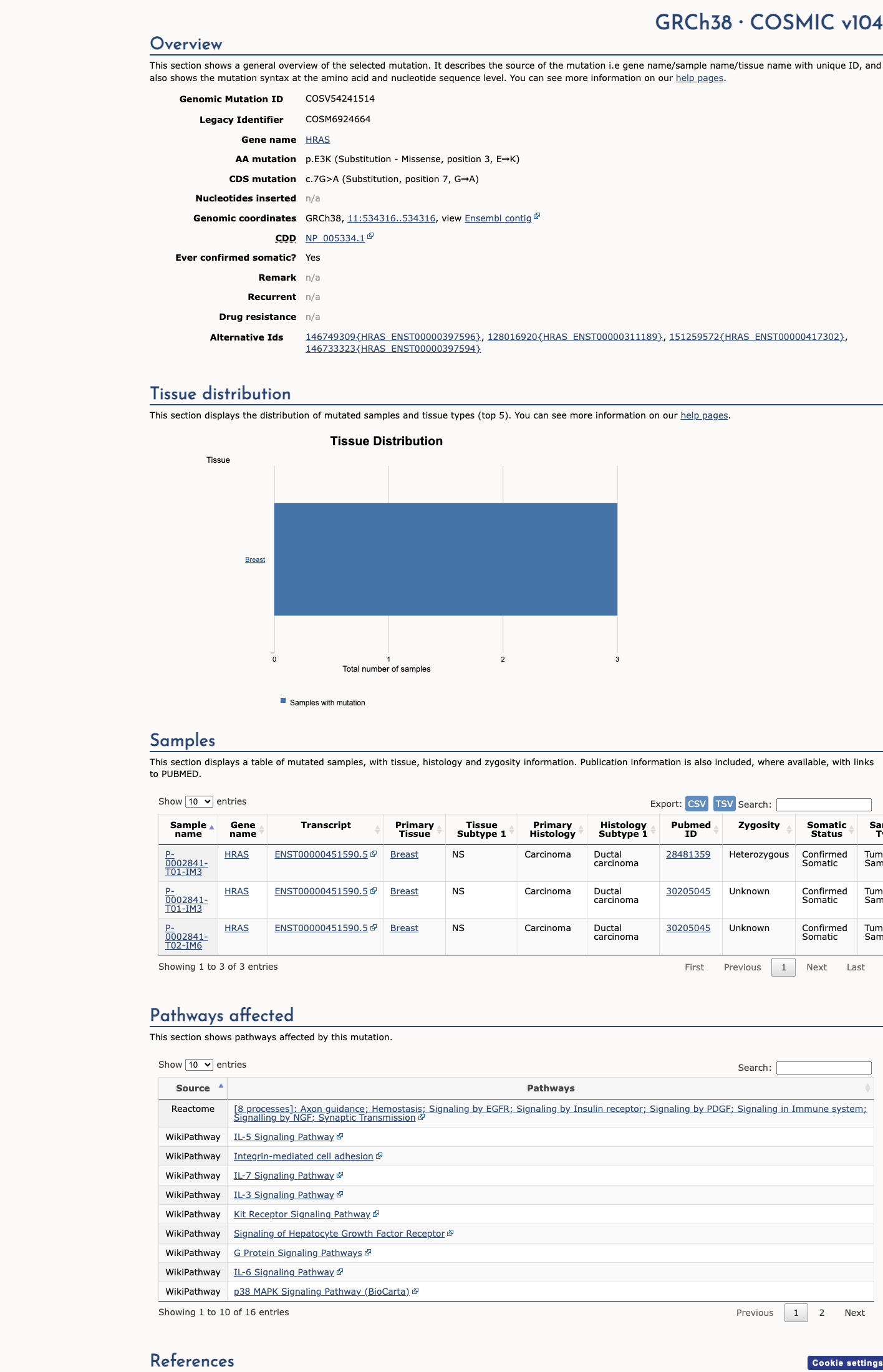
This variant does not lie in a statistically significant hotspot. This variant has previously been reported in somatic cancers (COSMIC; COSV54241514, n = 2 times).
Hotspots
This variant does not lie in a statistically significant hotspot.