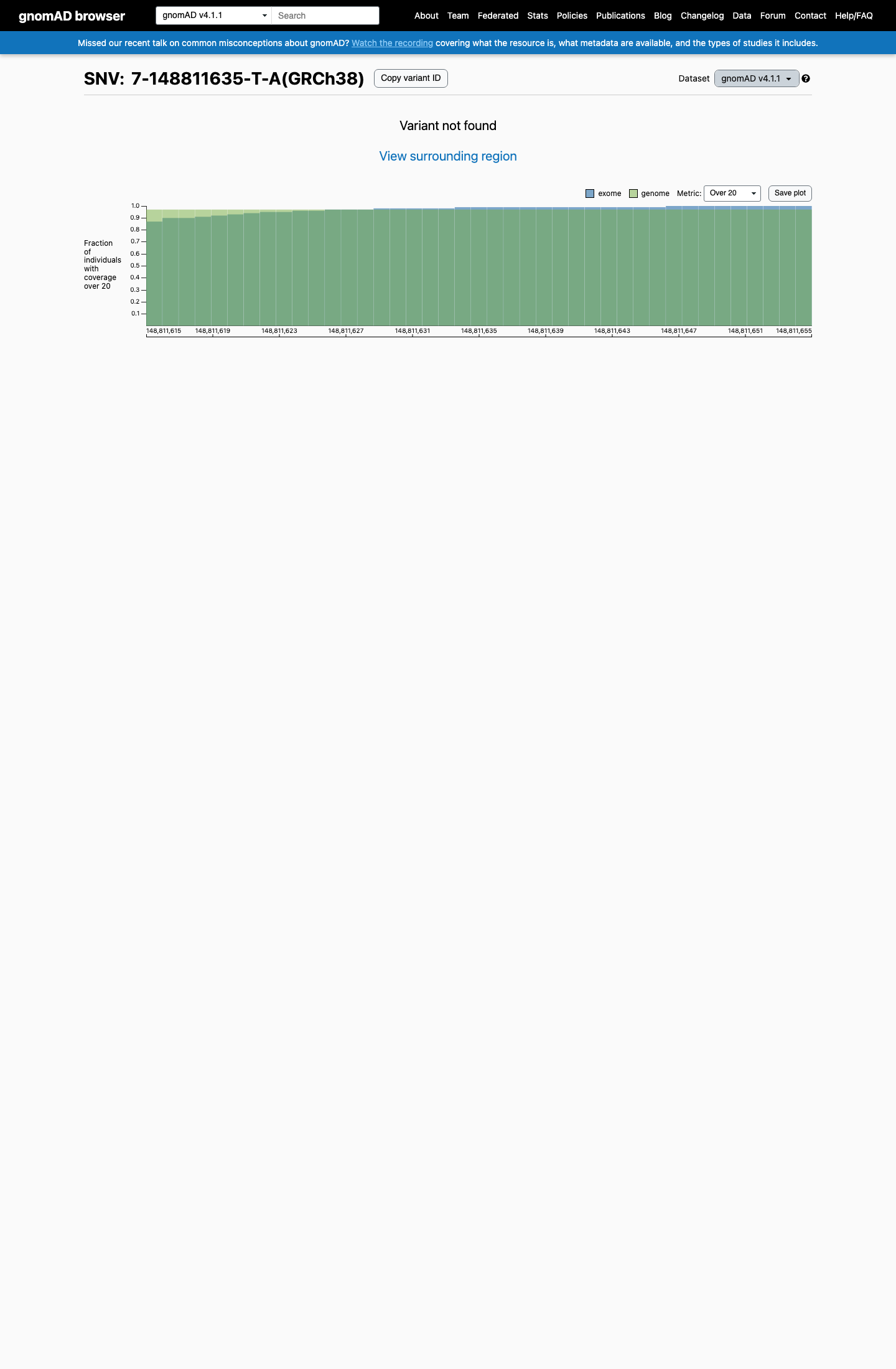
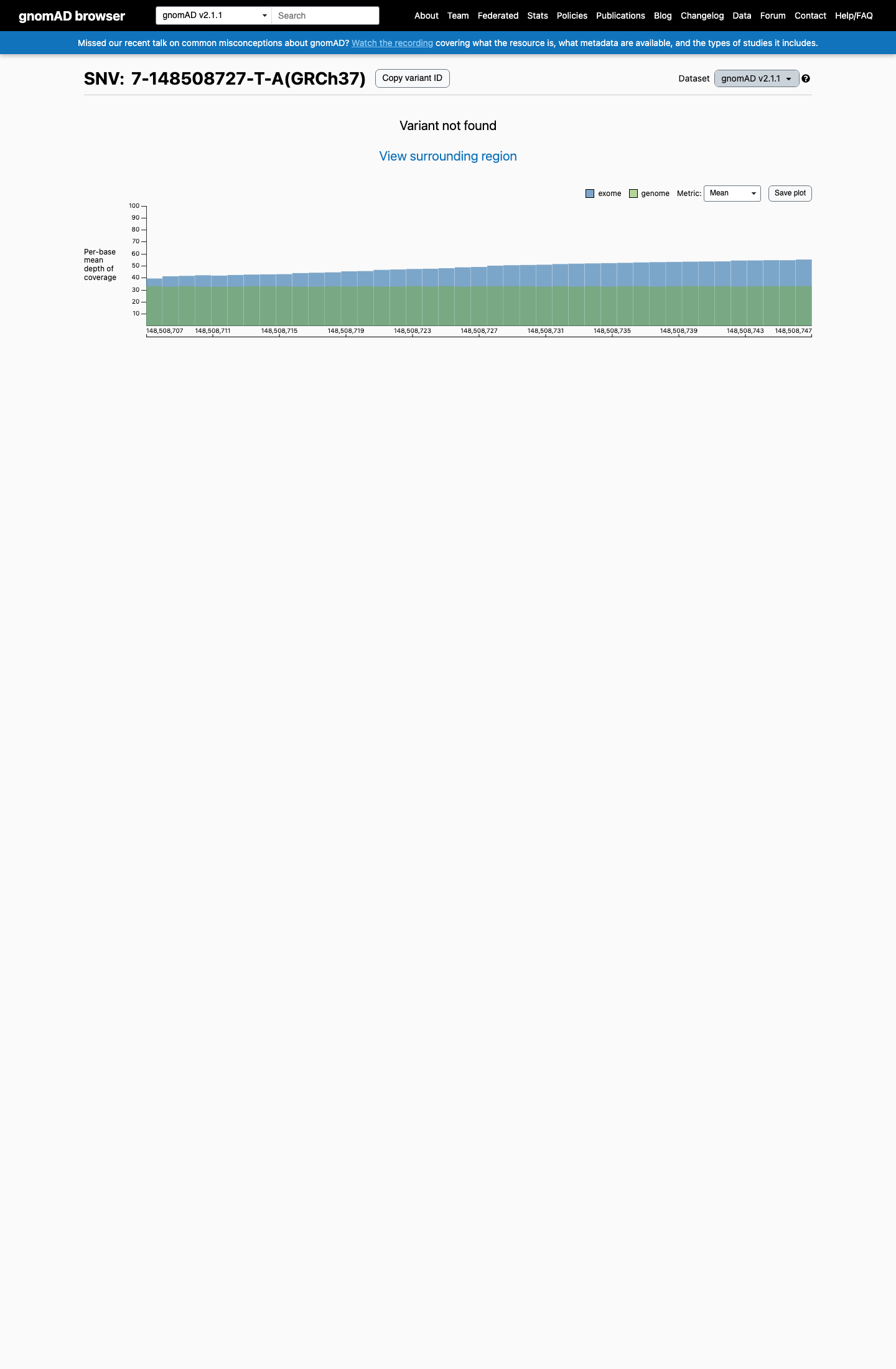
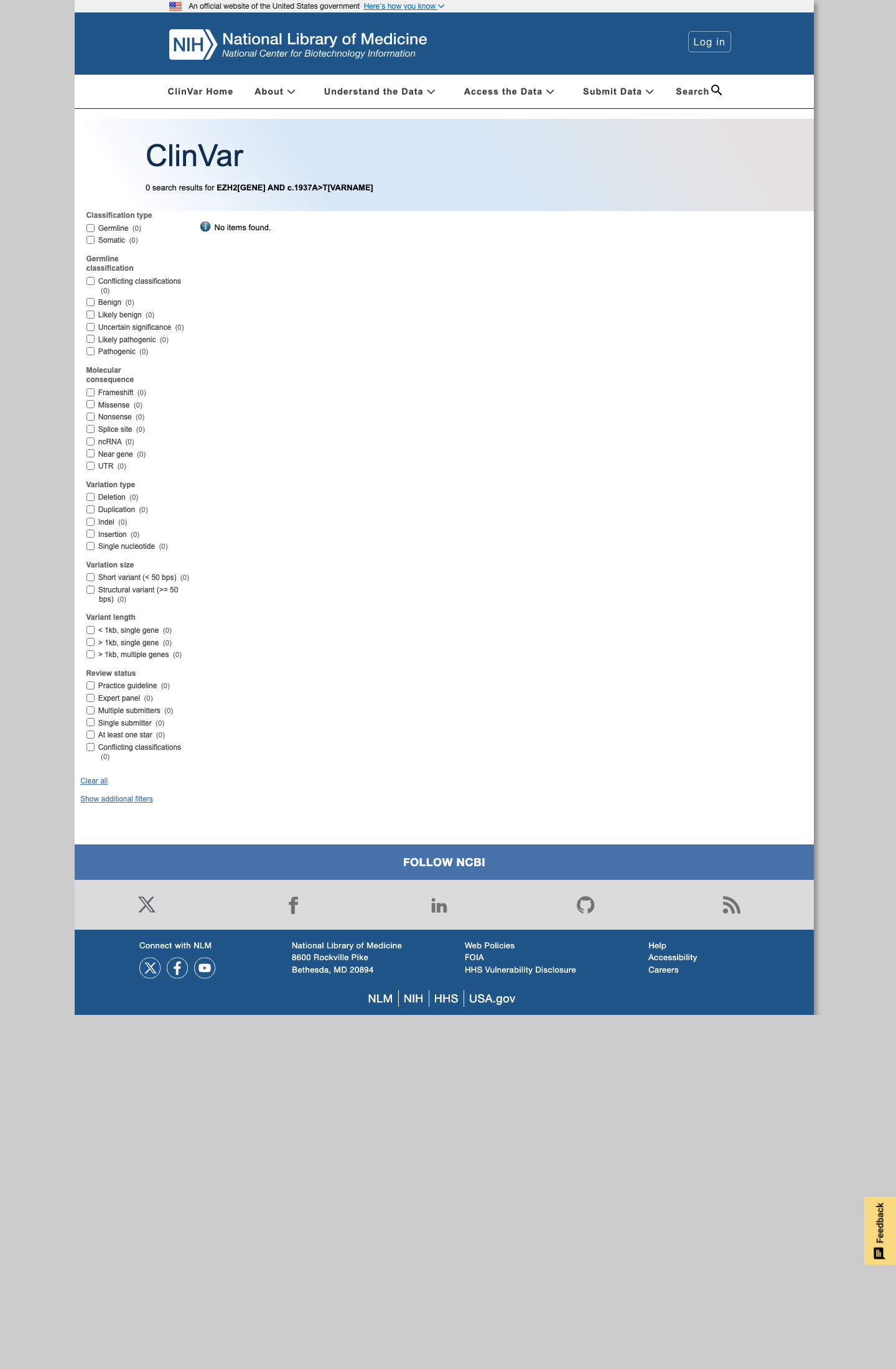
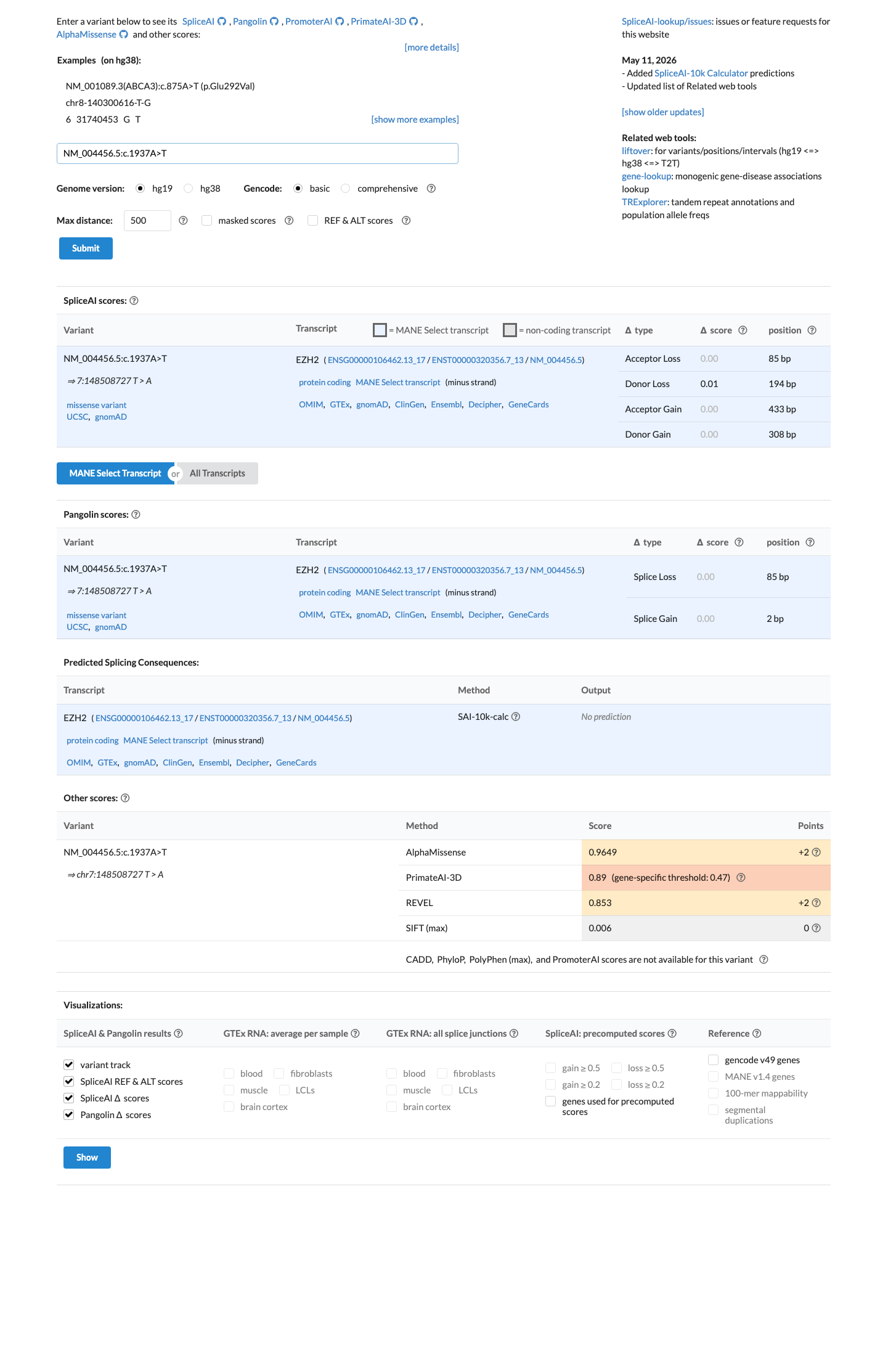
The NM_004456.5:c.1937A>T (p.Tyr646Phe) variant in EZH2 is absent from large population databases including gnomAD v2.1 and v4.1, consistent with a rare pathogenic variant (PM2_Supporting).1 The variant affects Tyr646 in the SET domain of EZH2, the critical catalytic domain responsible for histone H3K27 methyltransferase activity. This residue is a well-established mutational hotspot recurrently altered in B-cell lymphomas, and benign variation at this position is not observed (PM1).2 Multiple independent functional studies from four publications demonstrate that the p.Tyr646Phe (also known as Y641F) alteration produces a gain-of-function effect: altered substrate specificity leading to increased H3K27 trimethylation in vitro and in vivo (Morin et al. 2010, Sneeringer et al. 2010, Yap et al. 2011), and resistance to Jak2/β-TrCP-mediated degradation resulting in enhanced protein stability (Sahraeian et al. 2014). These well-established functional assays consistently support a damaging effect on the EZH2 protein (PS3_Strong).3 In silico predictions are discordant: REVEL predicts a pathogenic effect (0.853) while BayesDel predicts a benign effect (0.139). SpliceAI predicts no splicing impact (max delta 0.01). These mixed computational predictions do not meet the threshold for either PP3 or BP4.4 Overall classification: Likely Pathogenic. Using generic ACMG/AMP 2015 combination rules (PMID:25741868), the evidence profile of 1 Strong (PS3) + 1 Moderate (PM1) + 1 Supporting (PM2) satisfies the Likely Pathogenic threshold (1 Strong AND 1-2 Moderate).5
Final classification
Likely Pathogenic
PS3PM1PM2
EZH2
c.1937A>T
p.Tyr646Phe
This variant
The NM_004456.5:c.1937A>T (p.Tyr646Phe) variant in EZH2 is absent from large population databases including gnomAD v2.1 and v4.1, consistent with a rare pathogenic variant (PM2_Supporting).
gene-specific framework lacked a usable explicit final combination framework, so generic ACMG/AMP 2015 final-combination rules were applied as fallback; applied criteria: PS3 strong, PM1 moderate, PM2 supporting; combination = 1 strong + 1 moderate + 1 supporting, which maps to Likely Pathogenic.
Classification rationale
PS3PM1PM2
Likely Pathogenic
EZH2 c.1937A>T
PS3 + PM1 + PM2
→
Likely Pathogenic
4
revelbayesdelspliceai ↗
5
generic_acmg_combination_rules
LYFE Sciences is an AI system, and it can make mistakes. Criteria
may be applied incorrectly, sources may be misread, and a confident-looking
classification can still be wrong. Double-check every criterion and
its underlying evidence before relying on any call.
Gene diagram
· NM_004456.5 · variants mapped to exon structure
EZH2
NM_004456.5
Fetching transcript structure from UCSC…
Applied criteria · 3 applied · 17 assessed
MetEvidence satisfies this criterion.
Not metEvaluated against available evidence; threshold not reached.
Not assessedApplies in principle, but no evidence was found to evaluate it.
N/ADoesn't apply to this variant type.
Applied · 3
Strength
Supporting
Moderate
Strong
Very strong
PS3
strong
Pathogenic
Well-established functional studies from four independent publications demonstrate that the p.Tyr646Phe (Y641F) alteration causes a gain-of-function effect: altered substrate specificity with increased H3K27 trimethylation activity (PMID:20081860, PMID:21078963, PMID:21190999) and resistance to Jak2/β-TrCP-mediated degradation with increased protein stability (PMID:24469040). Multiple orthogonal functional assays (in vitro methyltransferase assays, cell-based H3K27me3 quantification, protein stability/degradation assays) consistently support a damaging effect on the EZH2 protein.
PMID:20081860: demonstrated Y641F alters EZH2 enzymatic activity with reduced monomethylation but altered substrate preference.PMID:21078963: demonstrated Y641F has decreased monomethylation but enhanced di-/trimethylation catalytic efficiency relative to wild-typewith increased H3K27me3 in cells.
PM1
moderate
Pathogenic
The p.Tyr646Phe variant is located in the SET domain of EZH2 (residues 613-727), a well-established critical functional domain responsible for histone methyltransferase activity. Position 646 is a known mutational hotspot in both somatic cancer (COSMIC, Cancer Hotspots) and is within a region where benign variation is not observed. Multiple publications confirm that this residue is recurrently altered in disease.
Residue Y646 is in the SET domainthe catalytic domain of EZH2.Cancer Hotspots identifies this residue as statistically significant for mutation.
PM2
supporting
Pathogenic
The variant is absent from gnomAD v2.1 (exomes) and gnomAD v4.1 (exomes/genomes), indicating it is not observed in large population databases and supporting a pathogenic role.
gnomAD v2.1: absent (0 alleles).gnomAD v4.1: absent (0 alleles).
Assessed · not applied
· 6 not met · 11 not assessed
Pathogenic
PS2
No de novo occurrence data (with confirmed maternity/paternity) was available for this variant.
PS4
No case-control or cohort data comparing variant prevalence in affected individuals versus controls for a germline phenotype is available.
PM6
No confirmed de novo report for this specific variant was identified.
PP1
No segregation data (co-segregation of the variant with disease in multiple affected family members) is available for this variant.
PP2
While EZH2 missense variants are a known mechanism of Weaver syndrome (a germline overgrowth disorder), gnomAD missense constraint metrics (Z-score, o/e ratio) were not retrieved to confirm a low rate of benign missense variation in this gene.
PP3
In silico predictions are discordant: REVEL predicts a pathogenic effect (score 0.853, above the >0.5 threshold), but BayesDel predicts a benign effect (score 0.139, below the >0.27 pathogenic threshold).
PP4
No patient phenotype or family history information is available for this case to assess whether the clinical presentation is highly specific for EZH2-related disease.
Benign
BA1
The variant is absent from gnomAD v2.1 and v4.1.
BS1
The variant is absent from gnomAD v2.1 and v4.1.
BS2
No data are available regarding observation of this variant in a homozygous or hemizygous state in healthy adults with full penetrance expected at an early age.
BS3
Well-established functional studies demonstrate a gain-of-function damaging effect for p.Tyr646Phe (Y641F), including increased H3K27 trimethylation and enhanced protein stability.
BS4
No segregation data are available to evaluate lack of segregation of the variant with disease in affected family members.
BP1
BP1 applies to missense variants in genes where primarily truncating variants are known to cause disease.
BP2
No data are available regarding observation of this variant in trans with a pathogenic variant for a fully penetrant dominant disorder, or in cis with a pathogenic variant.
BP4
Multiple lines of computational evidence do not consistently suggest no impact.
BP5
No data are available regarding observation of this variant in a case with an alternate molecular basis for disease.
BP6
No reputable source has reported this variant as benign.
N/A · 6
PVS1 · PS1 · PM5 · PP5 · BP3 · BP7
Research & evidence
Population frequency · supports pathogenic
gnomAD v4.1
gnomAD v2.1
v4.1
Absent from gnomAD v4.1.
v2.1
Absent from gnomAD v2.1.
🇨🇦 CA
This variant is absent from gnomAD-Canada.
Allele frequency by ancestry
three datasets · side by side
gnomAD v4.1
Absent
· 0 / ?
0 hom
0 hom
Not observed in any ancestry group.
gnomAD v2.1
Absent
· 0 / ?
0 hom
0 hom
Not observed in any ancestry group.
gnomAD Canada 🇨🇦
Absent
· 0 / ?
0 hom
0 hom
Not observed in any ancestry group.
In silico
SpliceAI predicts no significant splice impact for this variant (max delta score = 0.01). REVEL score = 0.853. BayesDel score = 0.138559.
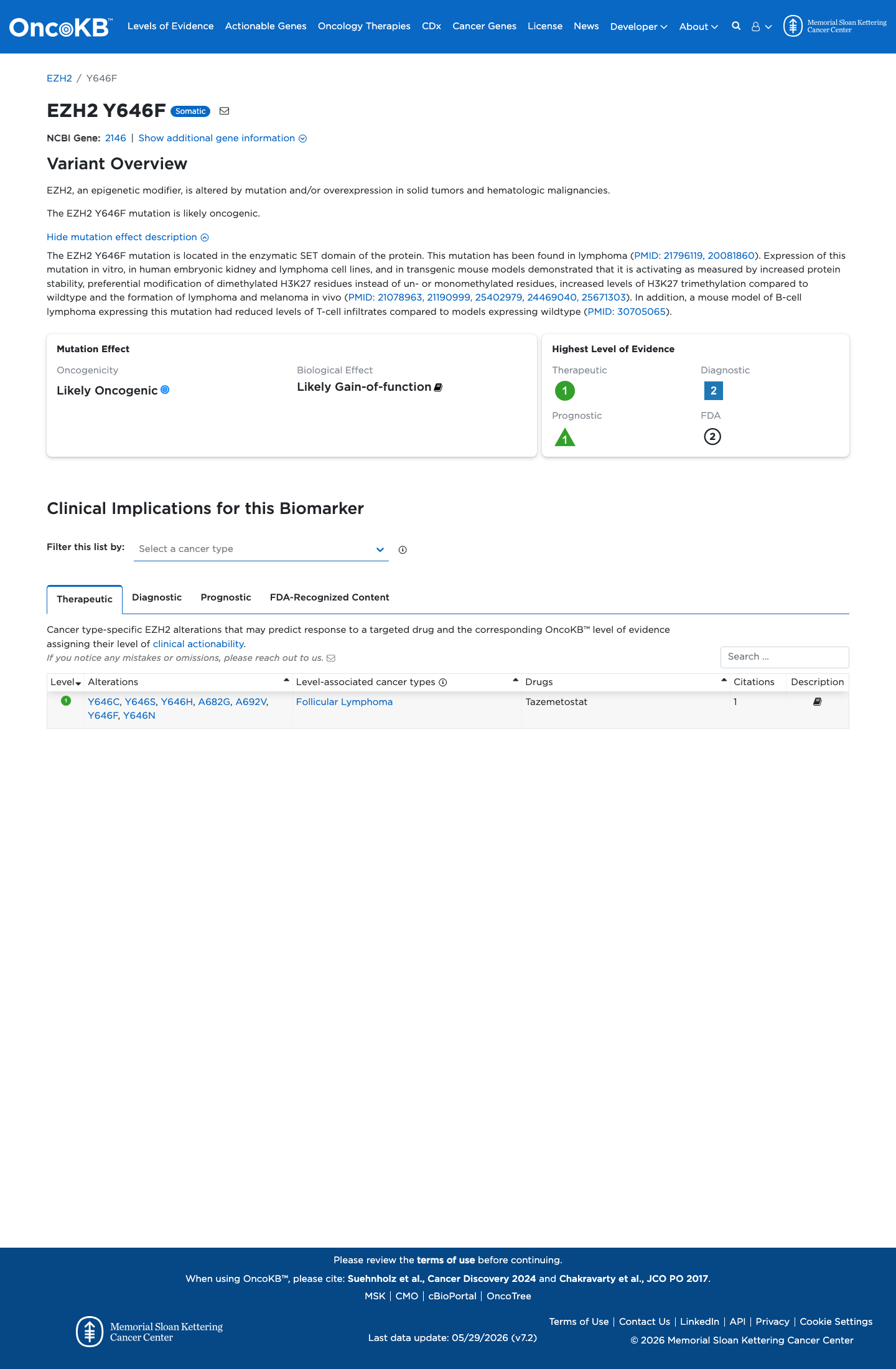
Functional
Likely Oncogenic
OncoKB identified variant-specific curated literature and context relevant to functional review; biological-effect context: Likely Gain-of-function; curated oncogenicity label: Likely Oncogenic.
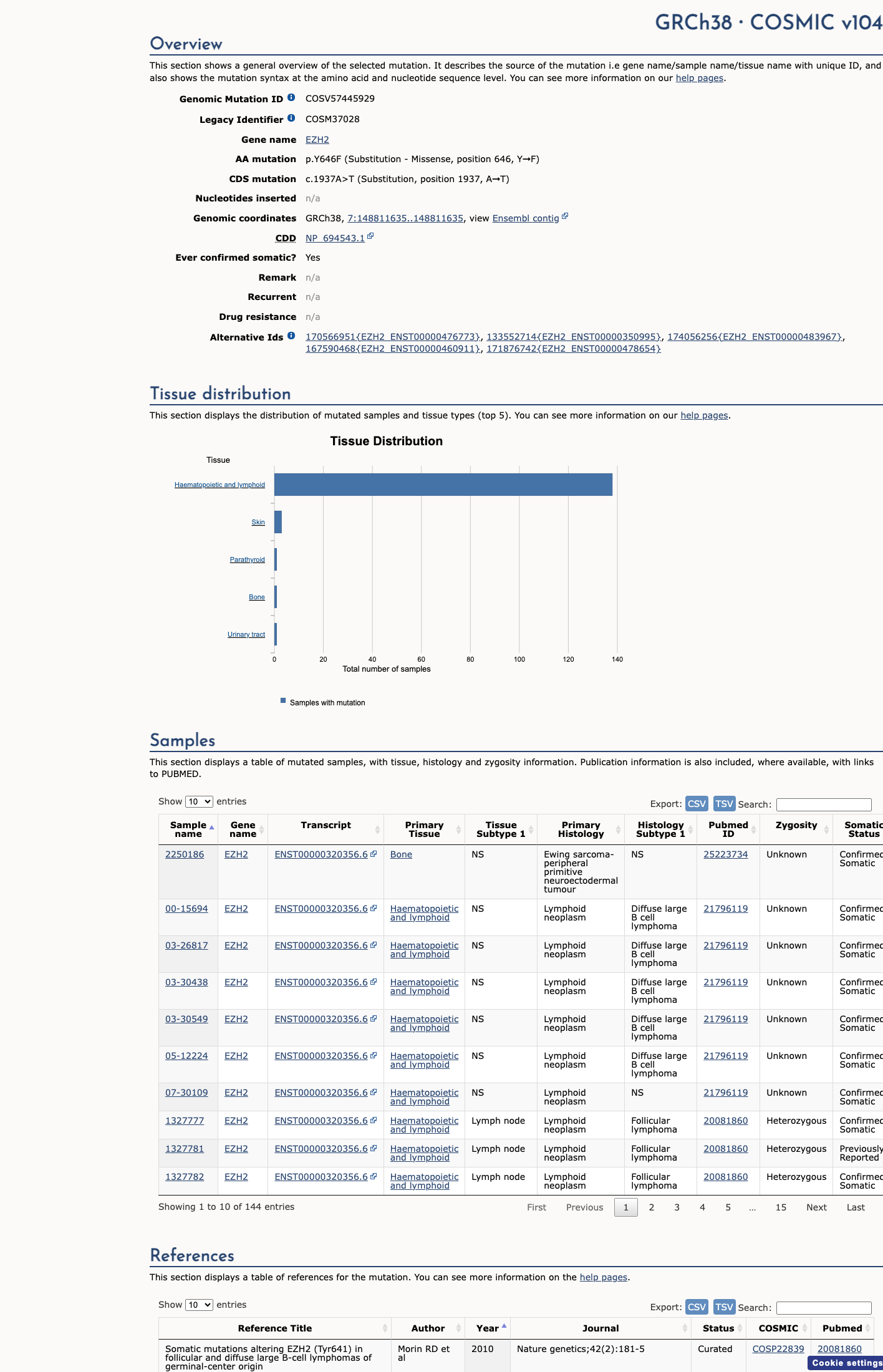
COSMIC

Cancer hotspots
Somatic evidence
Hotspot
COSMIC
This variant lies in a statistically significant hotspot. This variant has previously been reported in somatic cancers (COSMIC; COSV57445929, n = 143 times).
Hotspots
This variant lies in a statistically significant hotspot.
Literature · how each cited paper was used
4papers cited
Each card is an audit: what was searched, what was found, whether it names the variant, which criteria it fed, and why. 4 further PMIDs triaged but not cited — see Sources & references.
Somatic mutations altering EZH2 (Tyr641) in follicular and diffuse large B-cell lymphomas of germinal-center origin.
Found
and PMID:21190999 confirm recurrent somatic mutation at this residue in B-cell lymphomas.
Applied to
→PS3
strong
→PM1
moderate
Coordinated activities of wild-type plus mutant EZH2 drive tumor-associated hypertrimethylation of lysine 27 on histone H3 (H3K27) in human B-cell lymphomas.
Found
demonstrated Y641F has decreased monomethylation but enhanced di-/trimethylation catalytic efficiency relative to wild-type with increased H3K27me3 in cells.
Applied to
→PS3
strong
Somatic mutations at EZH2 Y641 act dominantly through a mechanism of selectively altered PRC2 catalytic activity, to increase H3K27 trimethylation.
Found
and PMID:21190999 confirm recurrent somatic mutation at this residue in B-cell lymphomas.
Applied to
→PS3
strong
→PM1
moderate
Oncogenic Y641 mutations in EZH2 prevent Jak2/β-TrCP-mediated degradation.
Found
demonstrated Y641F prevents Jak2/β-TrCP-mediated degradation leading to increased EZH2 protein stability and elevated H3K27me3.
Applied to
→PS3
strong
Sources & reference links
Triaged references · 4 PMIDs not cited in assessment
25402979 ↗
Gain-of-function mutation of chromatin regulators as a tumorigenic mechanism and an opportunity for therapeutic intervention.
ONCOKB
25671303 ↗
Epigenetic reprogramming by tumor-derived EZH2 gain-of-function mutations promotes aggressive 3D cell morphologies and enhances melanoma tumor growth.
ONCOKB
30705065 ↗
Molecular and Genetic Characterization of MHC Deficiency Identifies EZH2 as Therapeutic Target for Enhancing Immune Recognition.
ONCOKB