Classification rationale
BS2BP4
Likely Benign
PRKN c.1204C>T
missense
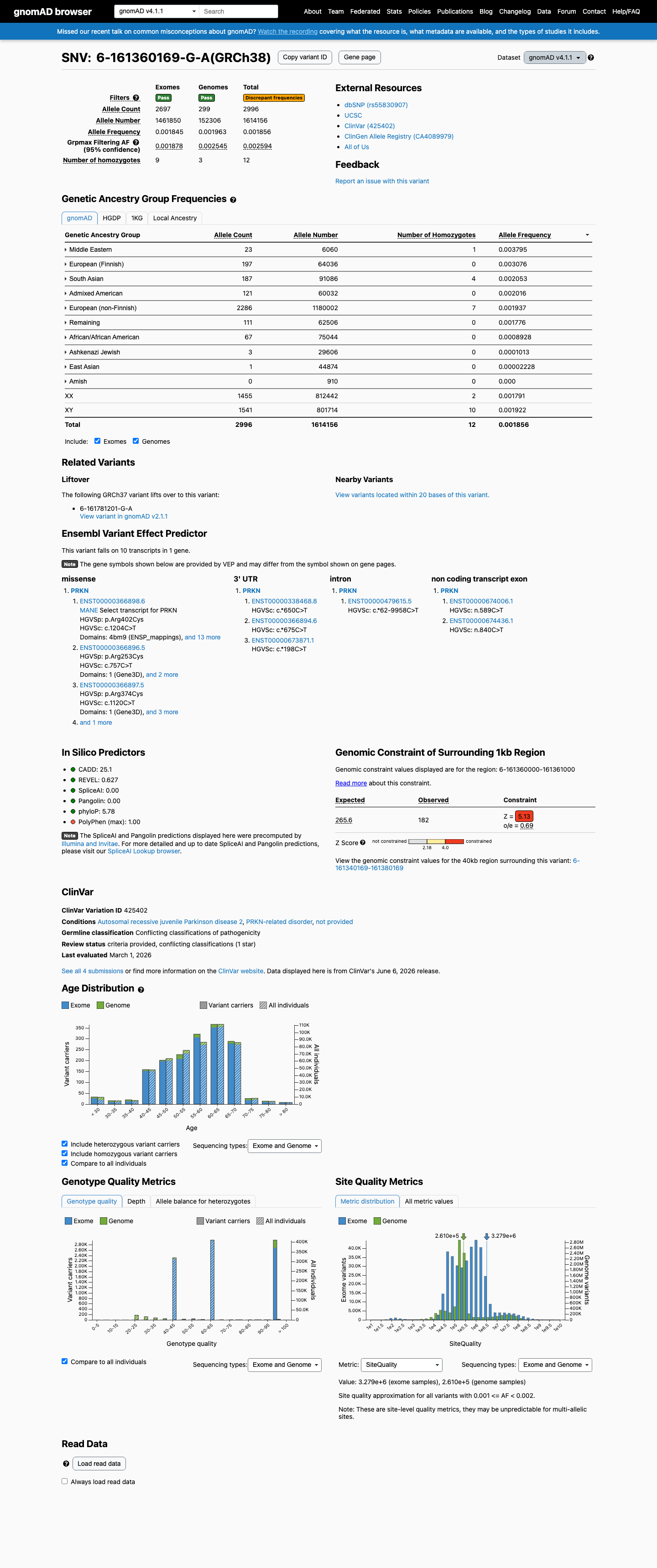
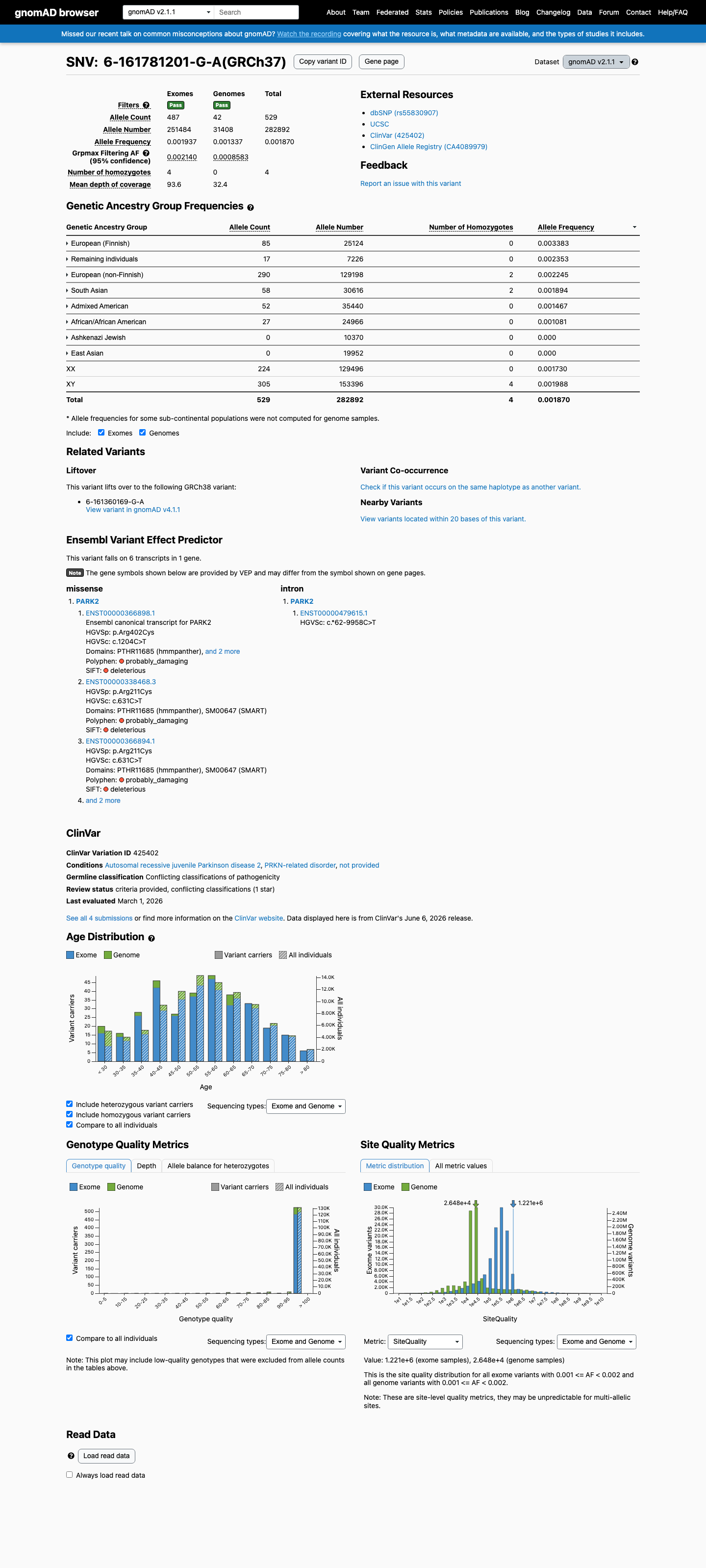
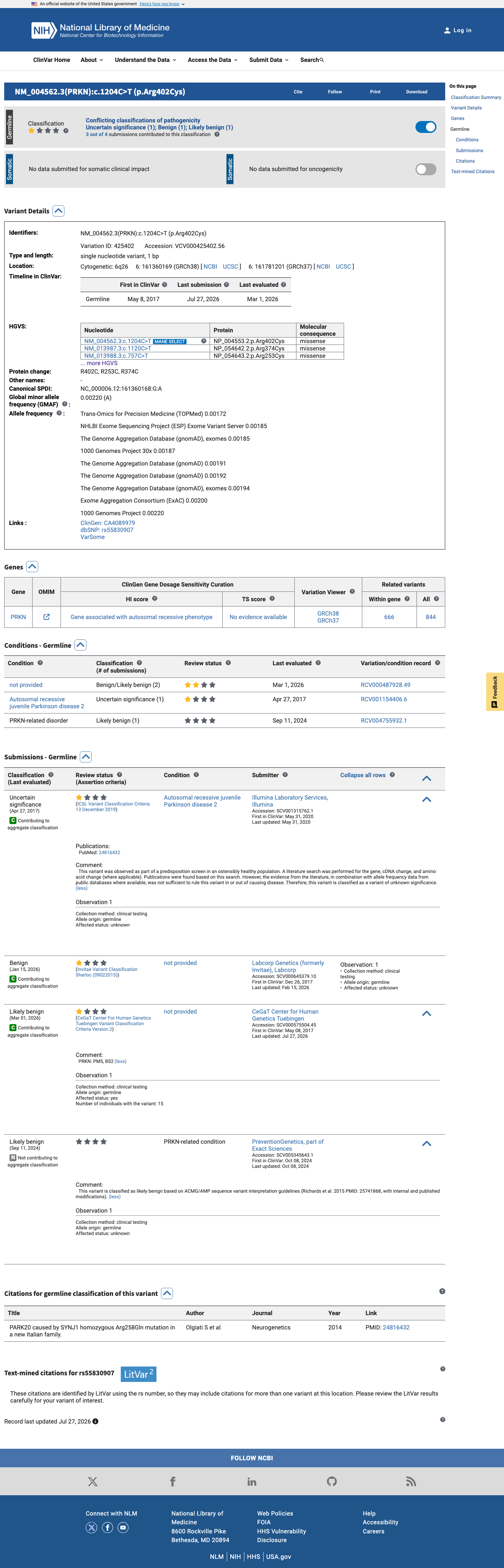
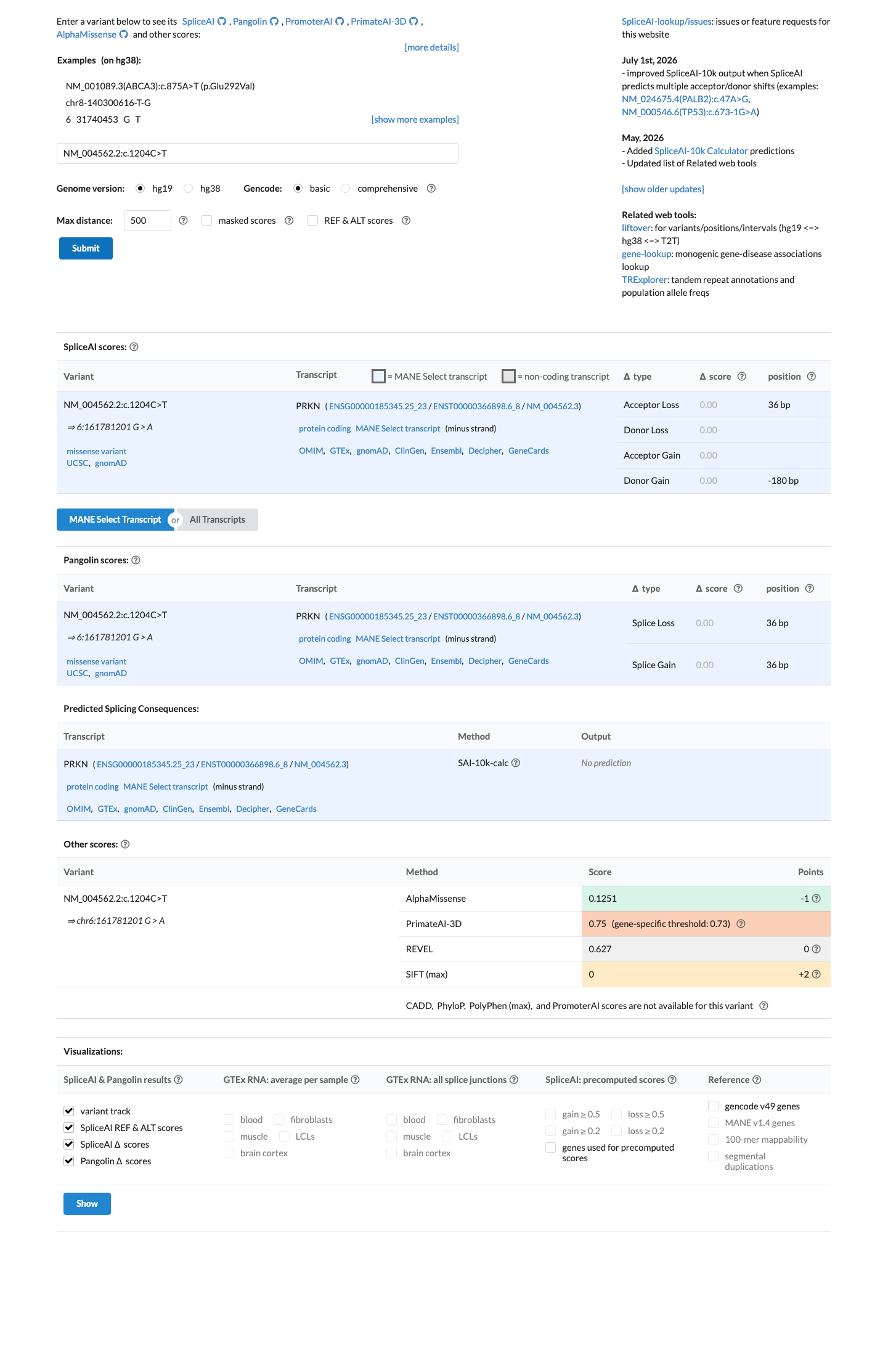
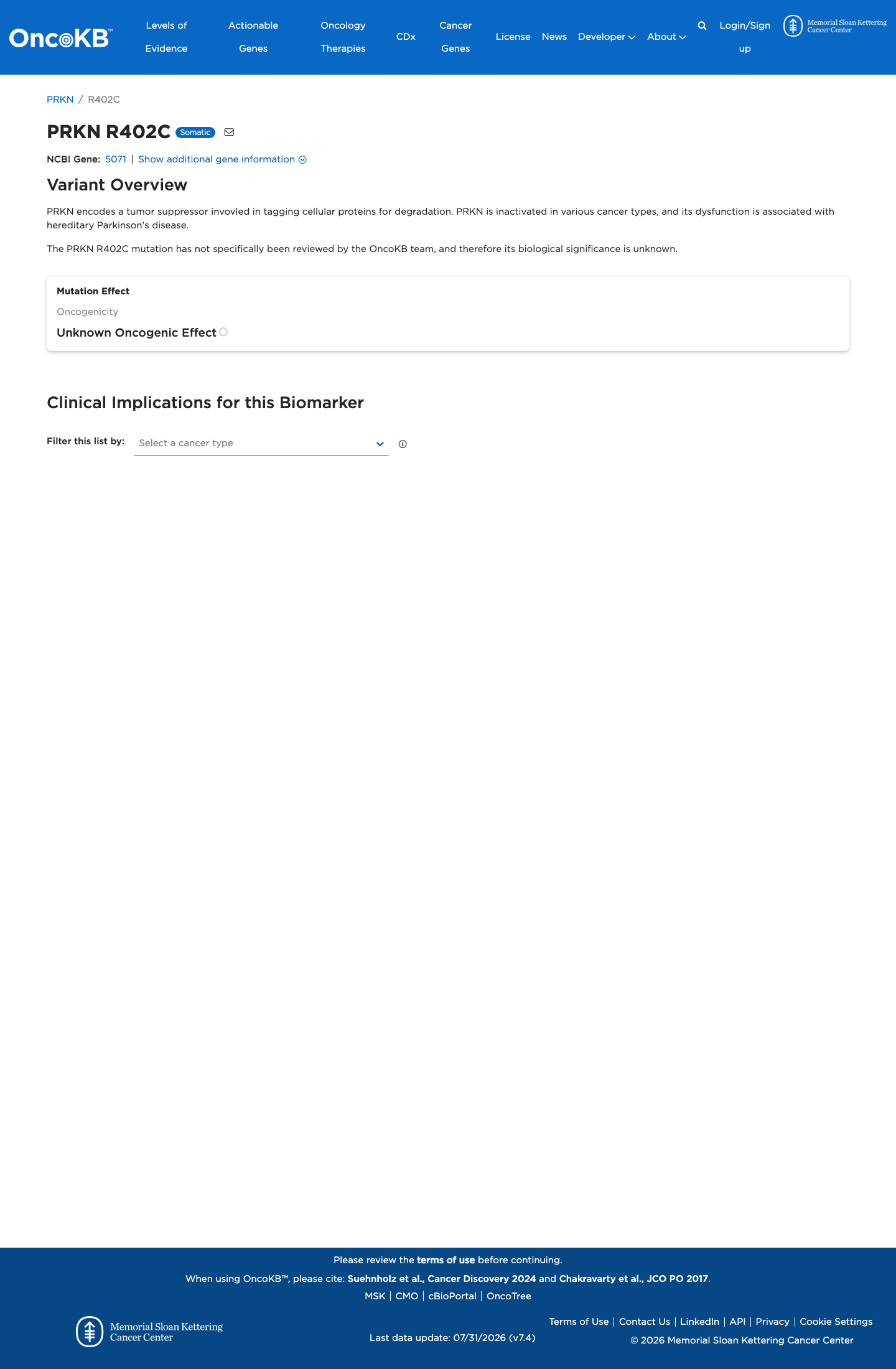
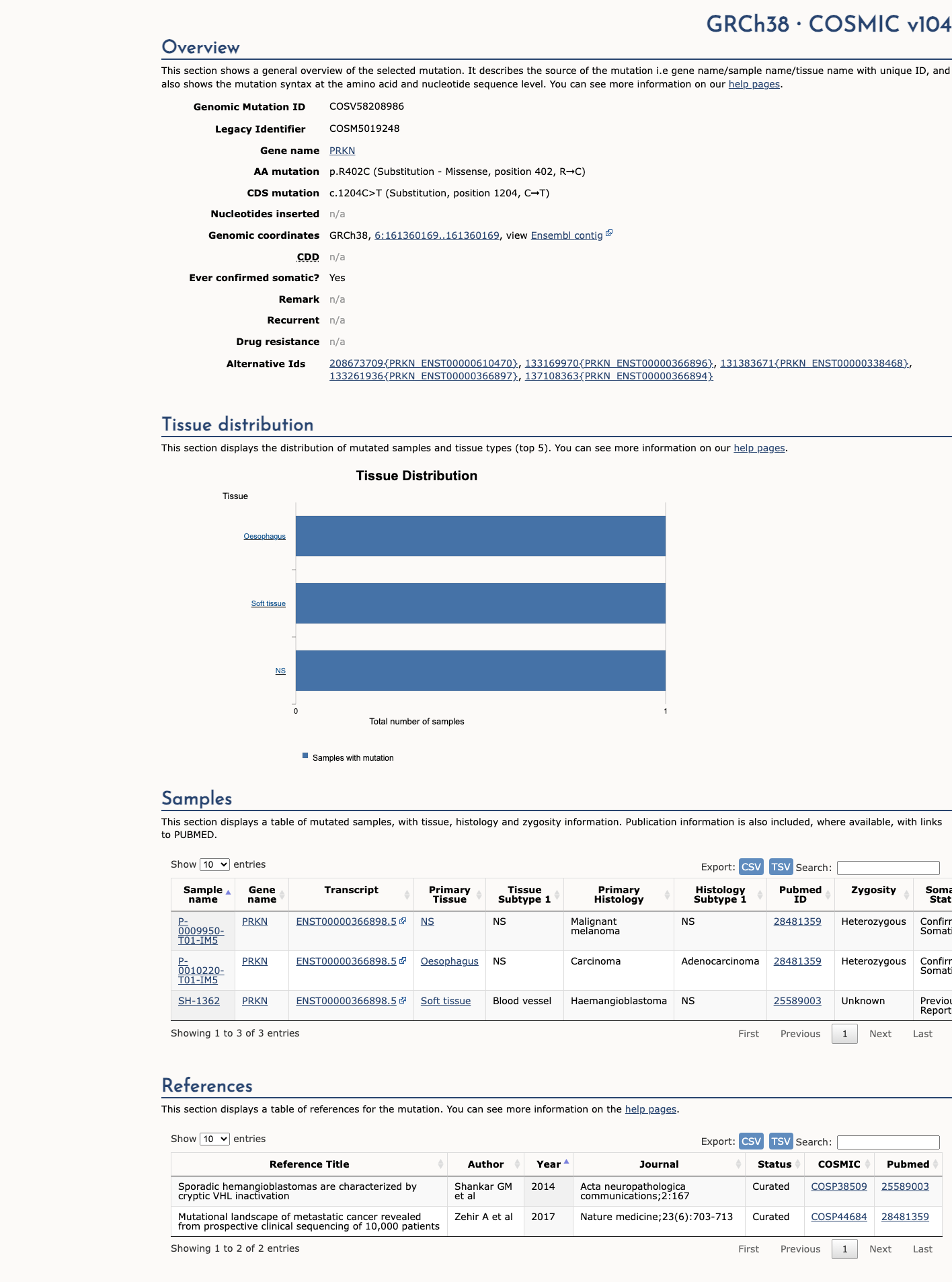
This variant has been observed in the homozygous state in population databases (4 homozygotes in gnomAD v2.1, 12 homozygotes in gnomAD v4.1), meeting BS2 (strong benign) for an autosomal recessive early-onset Parkinson disease with full penetrance.1 Multiple lines of computational evidence suggest no deleterious impact: BayesDel score 0.144 is in the benign range, SpliceAI predicts no splicing effect (max delta 0.0), and REVEL score 0.627 is indeterminate. Meeting BP4 at supporting benign level.2 Combination of BS2 (strong benign) and BP4 (supporting benign) meets the generic ACMG/AMP 2015 threshold for Likely Benign (1 Strong benign + 1 Supporting benign).3
BS2 + BP4
→
Likely Benign