PVS1
Not assessed: insufficient evidence was available to determine whether this variant causes complete loss of BRCA1 function.
PS1
Not assessed: insufficient evidence was available to compare this change with pathogenic variants reported at the same residue.
PS2
Not assessed: insufficient evidence of a confirmed de novo occurrence was available.
PS3
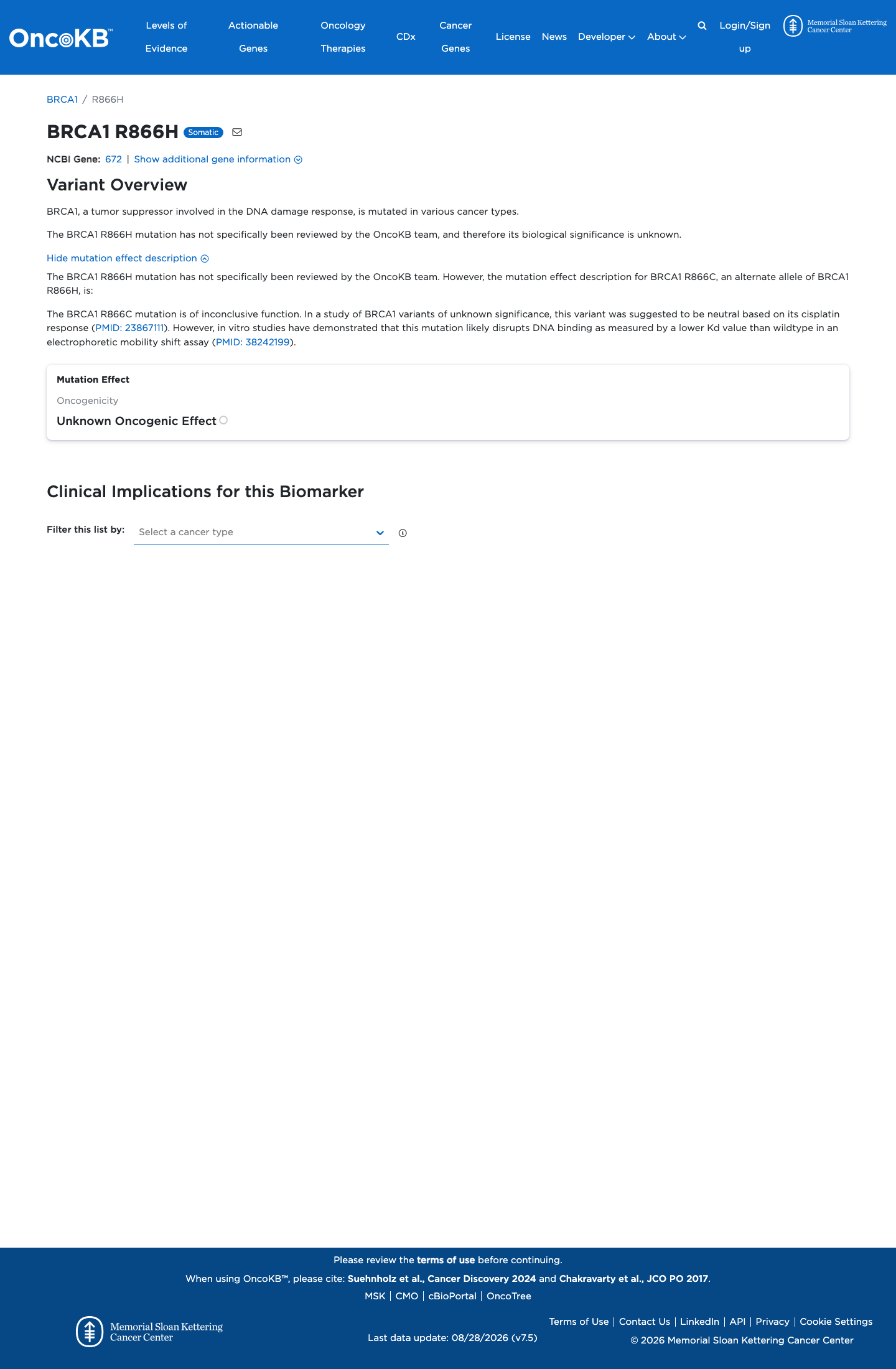
Not assessed: insufficient functional-study evidence of a damaging effect was available.
PS4
Not assessed: insufficient evidence from affected individuals was available.
PM1
Not assessed: insufficient evidence was available to determine whether the variant falls in a known mutational hotspot.
PM2
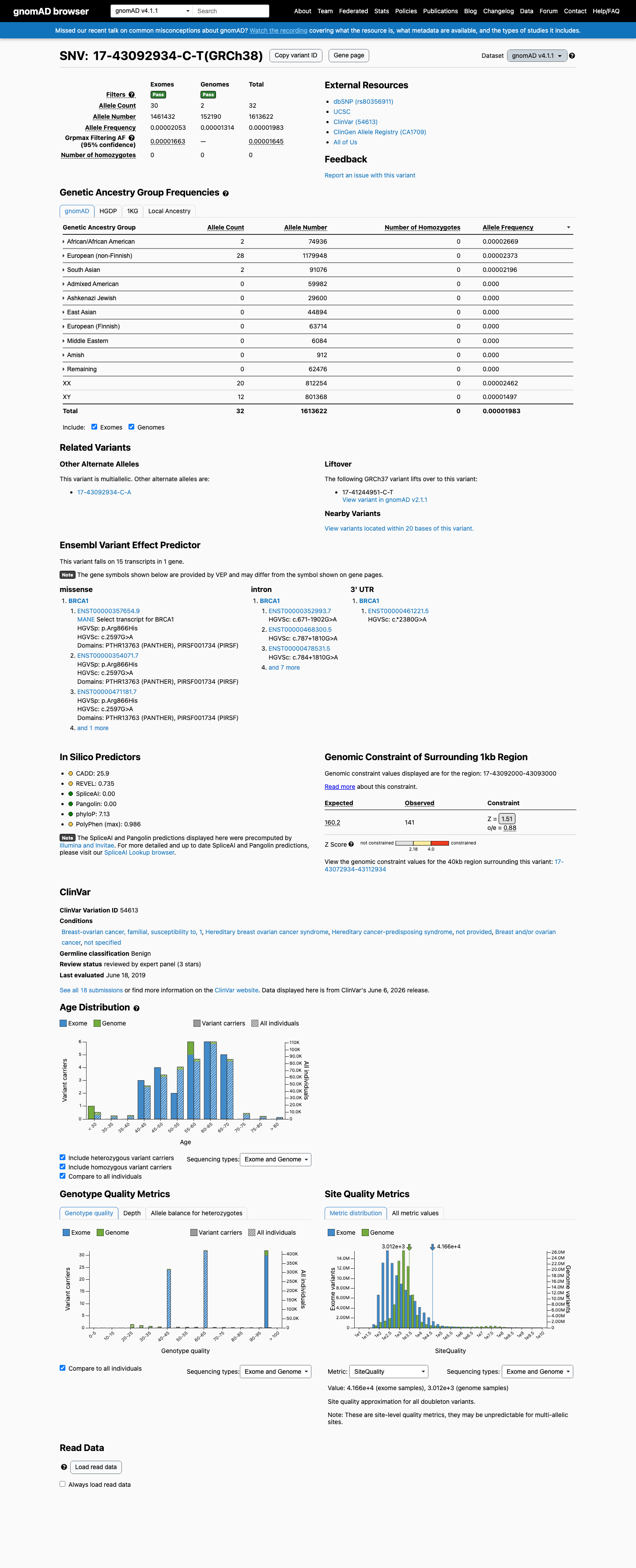
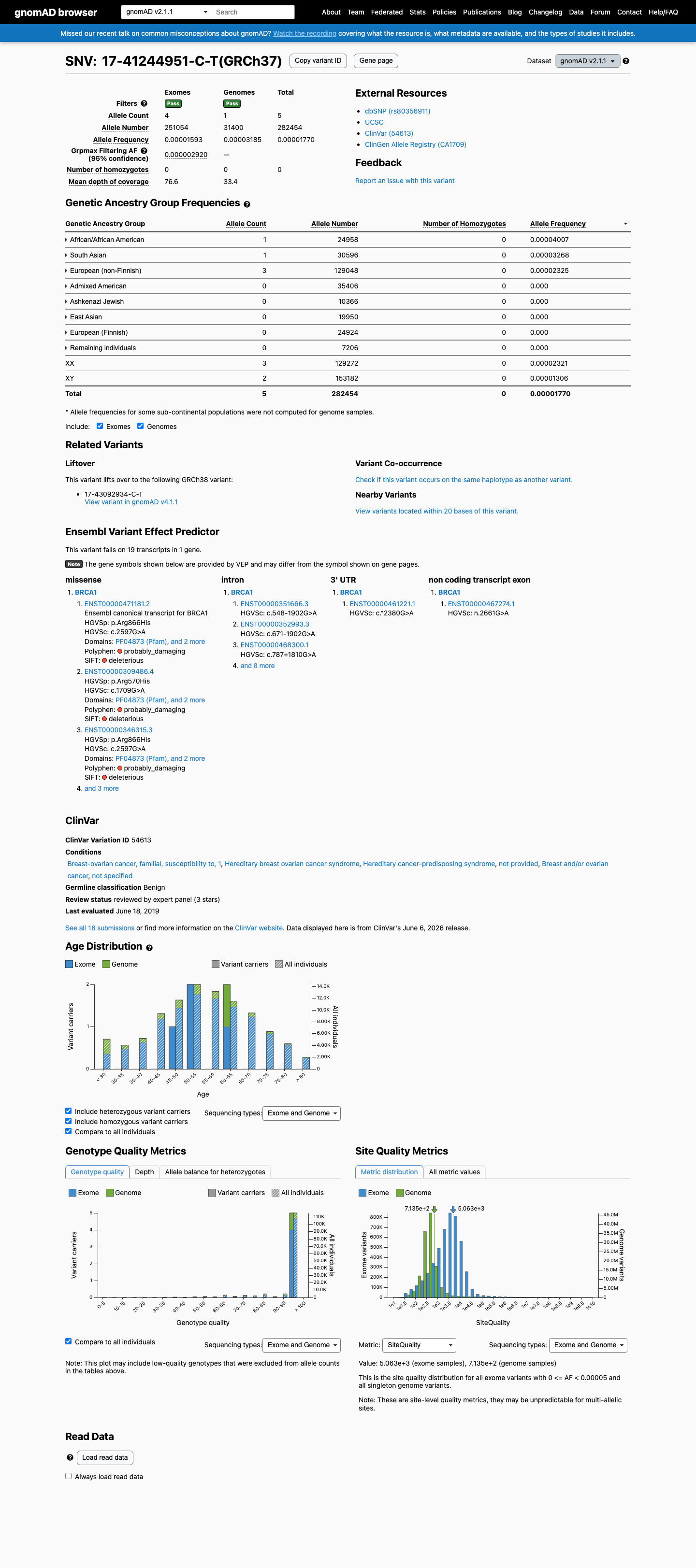
Not assessed: population frequency data were insufficient to evaluate rarity.
PM3
Not assessed: insufficient evidence was available to evaluate biallelic inheritance.
PM4
Not assessed: insufficient evidence was available to evaluate a resulting change in protein length.
PM5
Not assessed: insufficient evidence was available to compare this change with pathogenic missense variants at the same codon.
PM6
Not assessed: insufficient evidence of a de novo occurrence without confirmed parentage was available.
PP1
Not assessed: insufficient familial segregation data was available.
PP2
Not assessed: insufficient evidence was available to evaluate the gene's missense-variant profile.
PP3
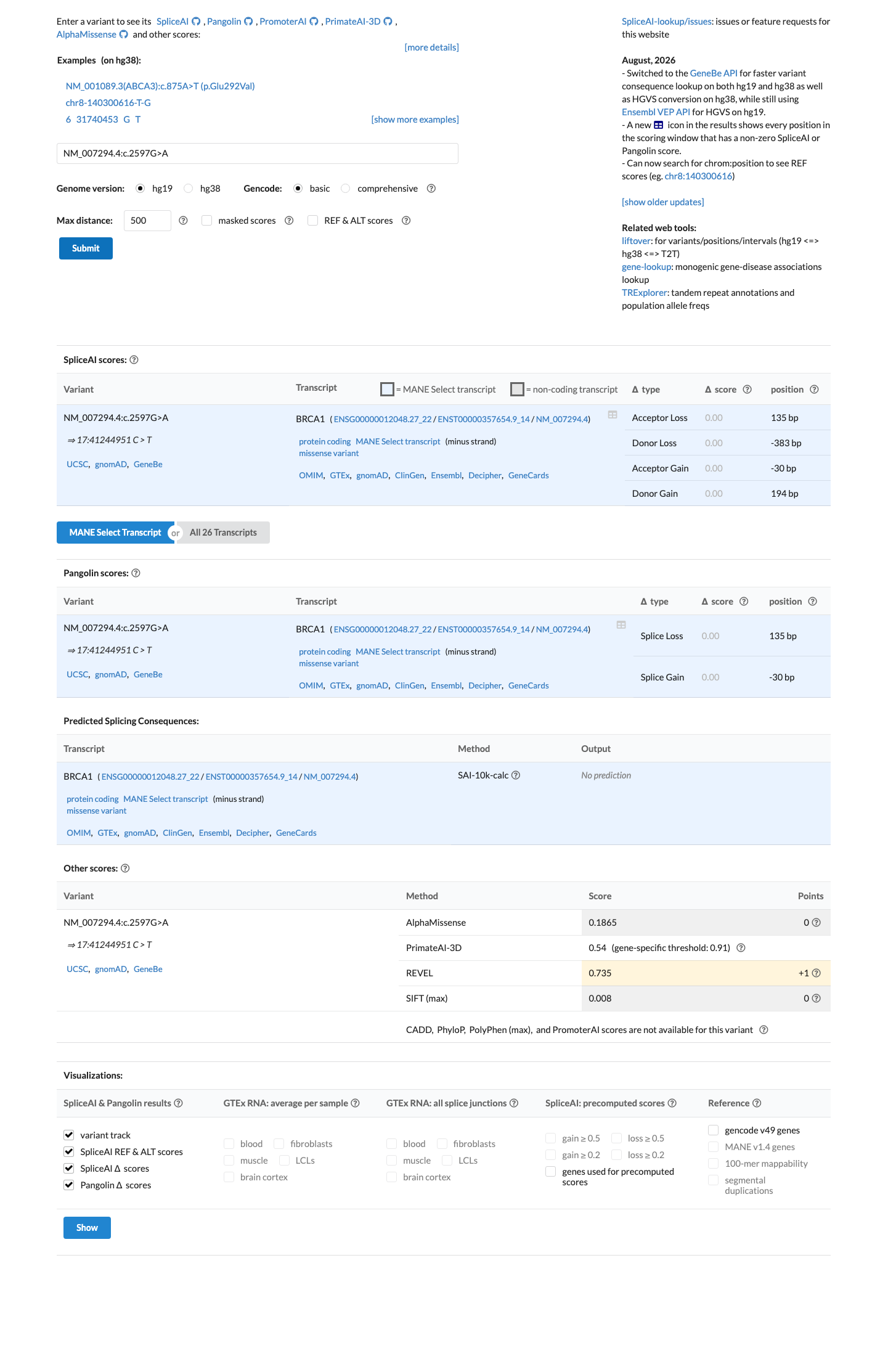
Not assessed: insufficient computational evidence of a damaging effect was available.
PP4
Not assessed: insufficient phenotype-specific data was available.
PP5
Not assessed: insufficient evidence from a reputable pathogenic source was available.