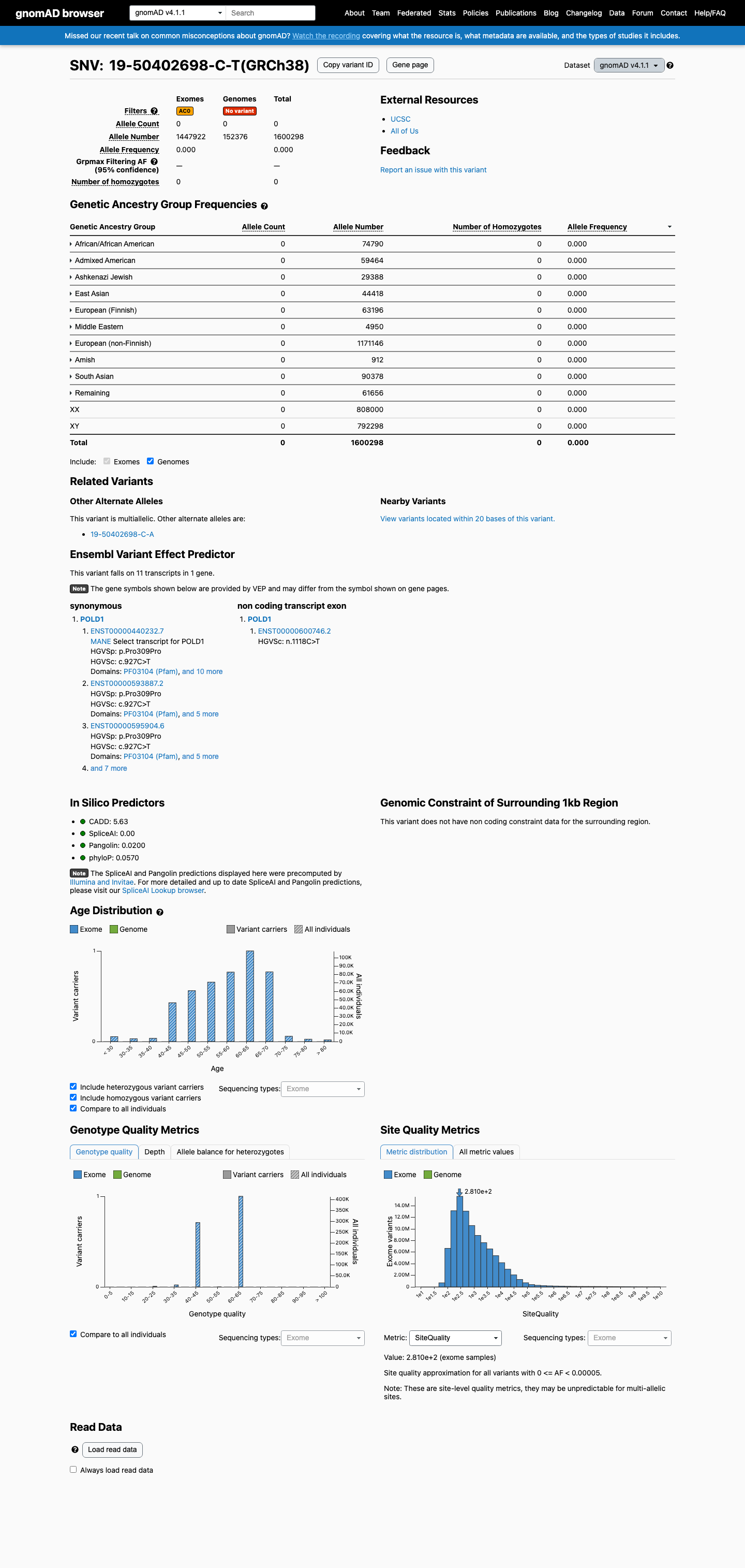
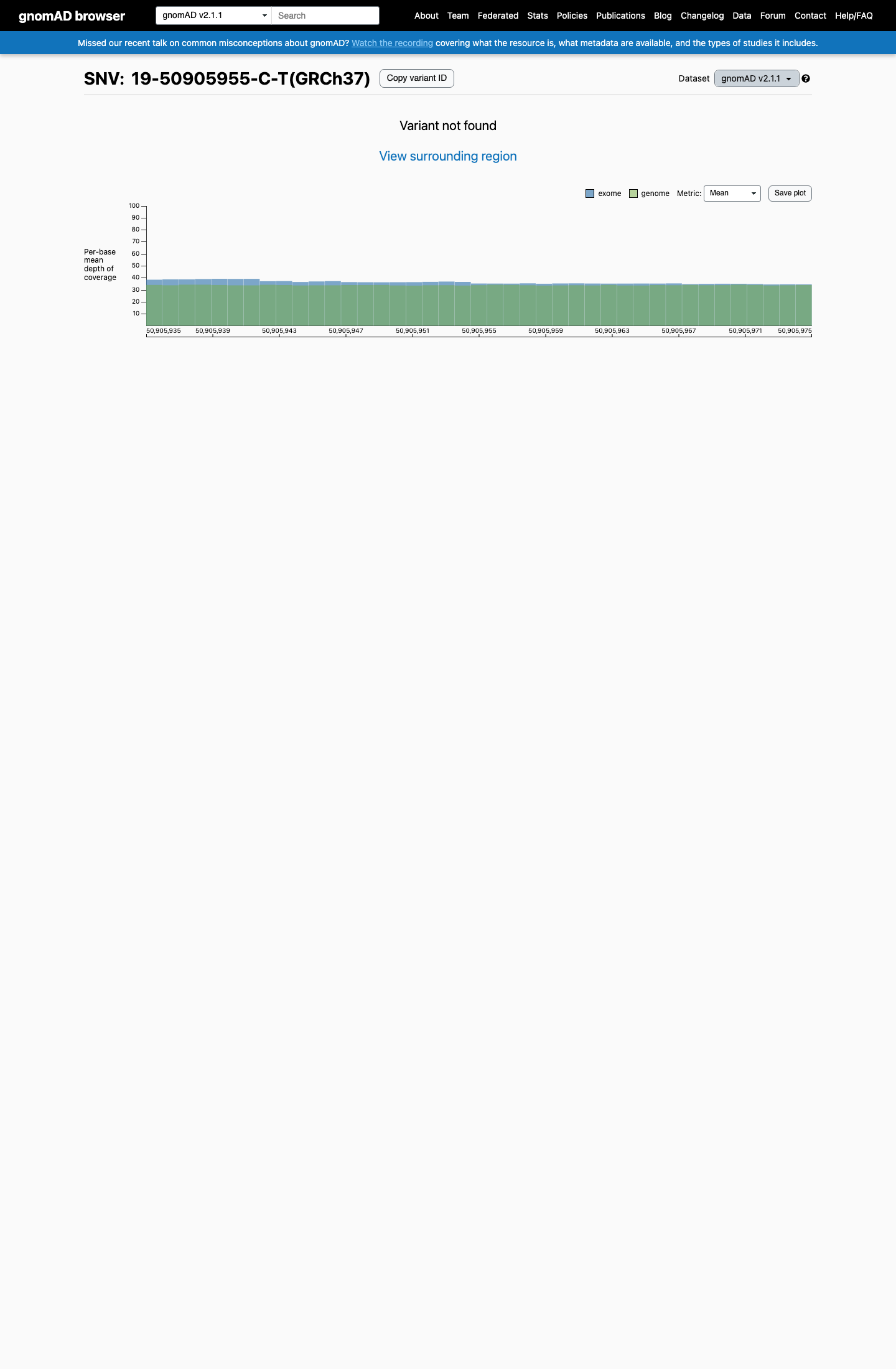
PM2 (Supporting): absent from gnomAD v2.1, gnomAD v4.1, and gnomAD-Canada v1.0. Final classification VUS: a single supporting pathogenic criterion (PM2) does not meet the generic ACMG/AMP 2015 pathogenic or benign combination thresholds.
POLD1 encodes the catalytic subunit of DNA polymerase delta, an enzyme that carries both DNA synthesis and proofreading (3' to 5' exonuclease) activities and is essential for accurate DNA replication and repair. Germline mutations in its exonuclease domain cause polyposis and predispose people to colorectal, endometrial, and possibly brain cancers. In cancer, POLD1 defects impair replication fidelity, leading to the accumulation of many mutations (an ultra-mutated phenotype) that may make tumors more responsive to immunotherapy, though somatic POLD1 mutations are rare.
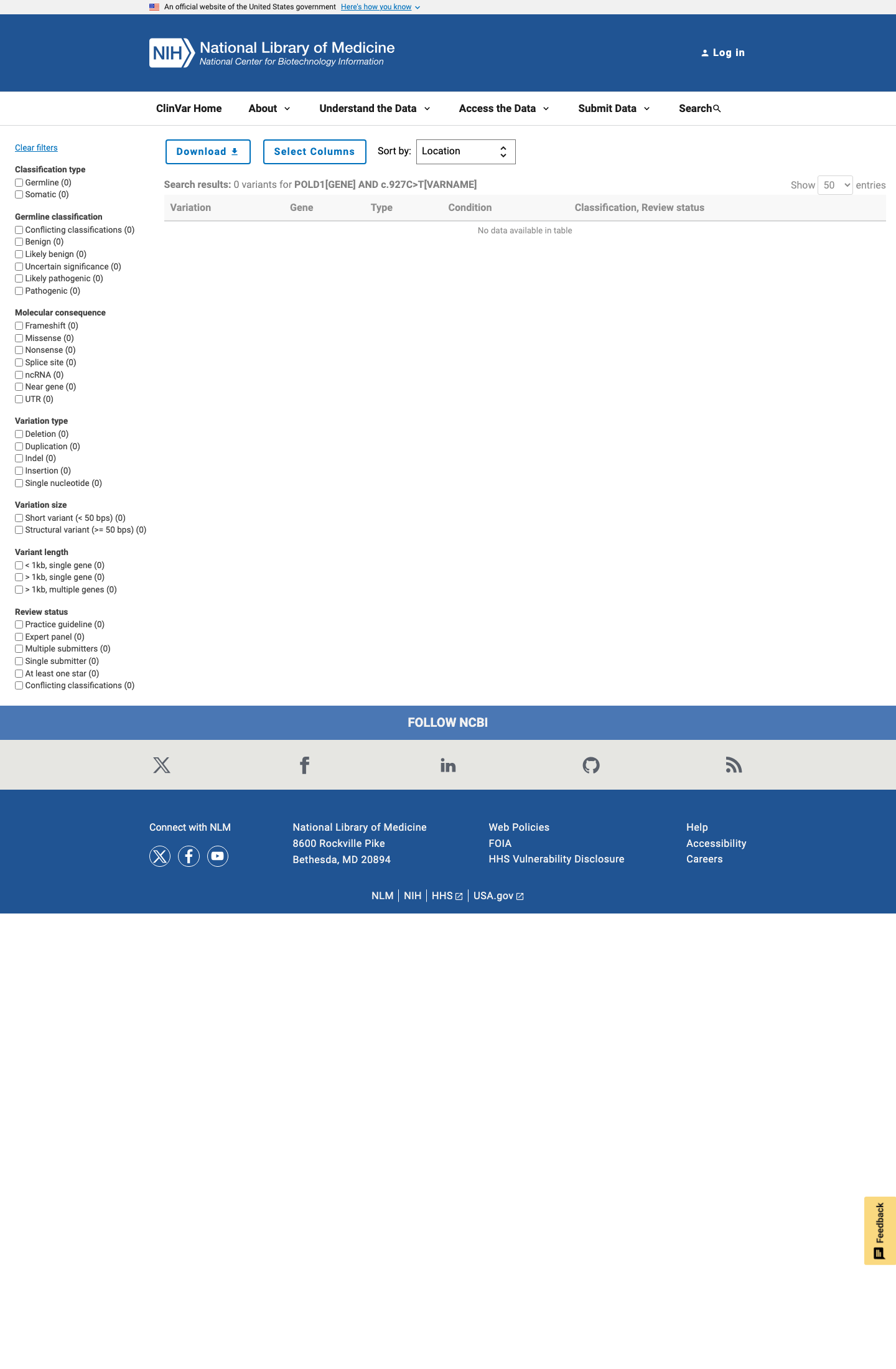
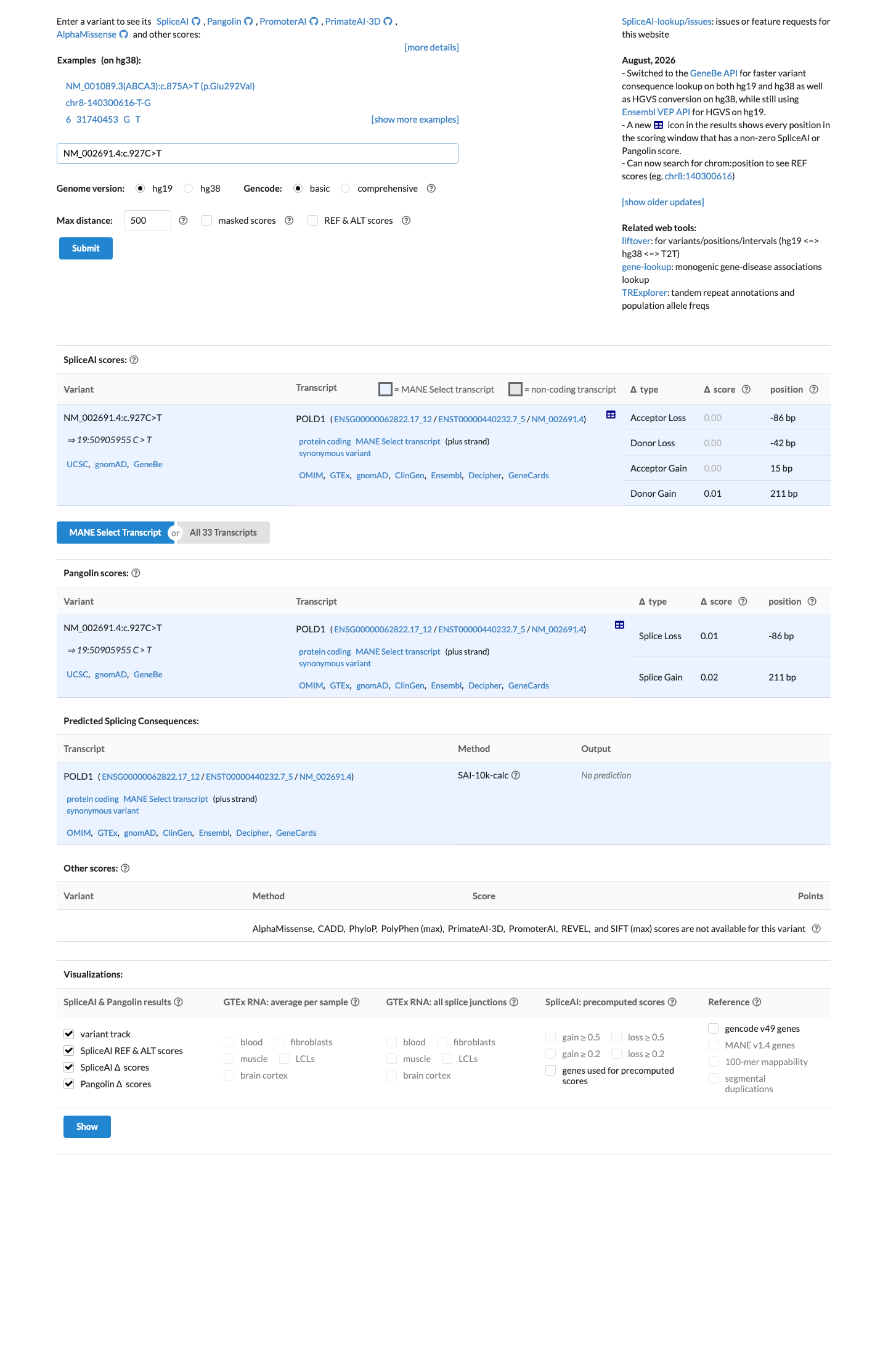
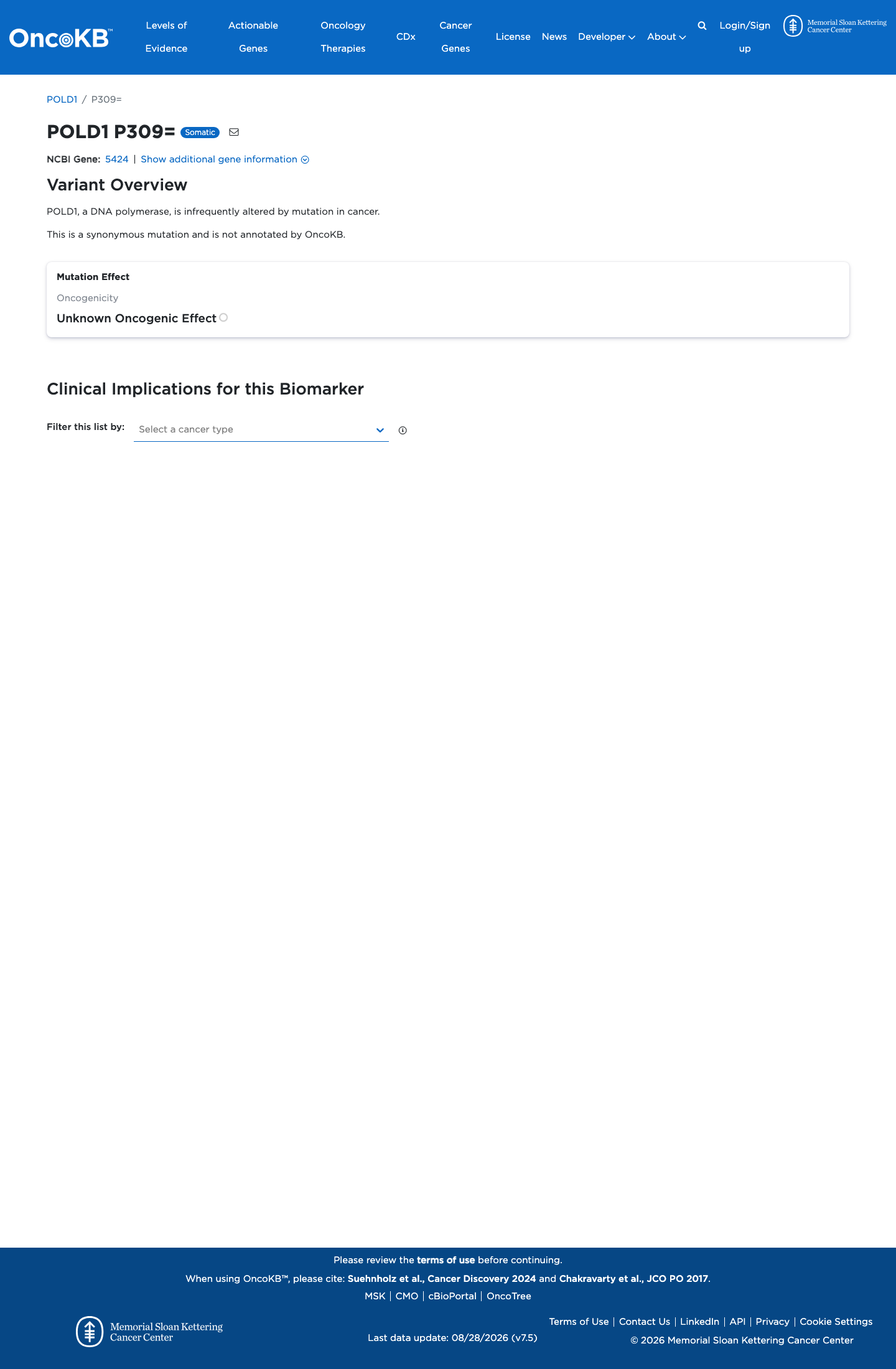
This synonymous change (p.Pro309=) does not alter the POLD1 protein, so it does not directly engage the exonuclease-domain defect that drives the gene's colorectal and endometrial cancer predisposition. Although the variant is absent from population databases, no functional or clinical evidence yet links it to disease, leaving its cancer-risk significance uncertain.
PM2 (Supporting): absent from gnomAD v2.1, gnomAD v4.1, and gnomAD-Canada v1.0. Final classification VUS: a single supporting pathogenic criterion (PM2) does not meet the generic ACMG/AMP 2015 pathogenic or benign combination thresholds.