PS1
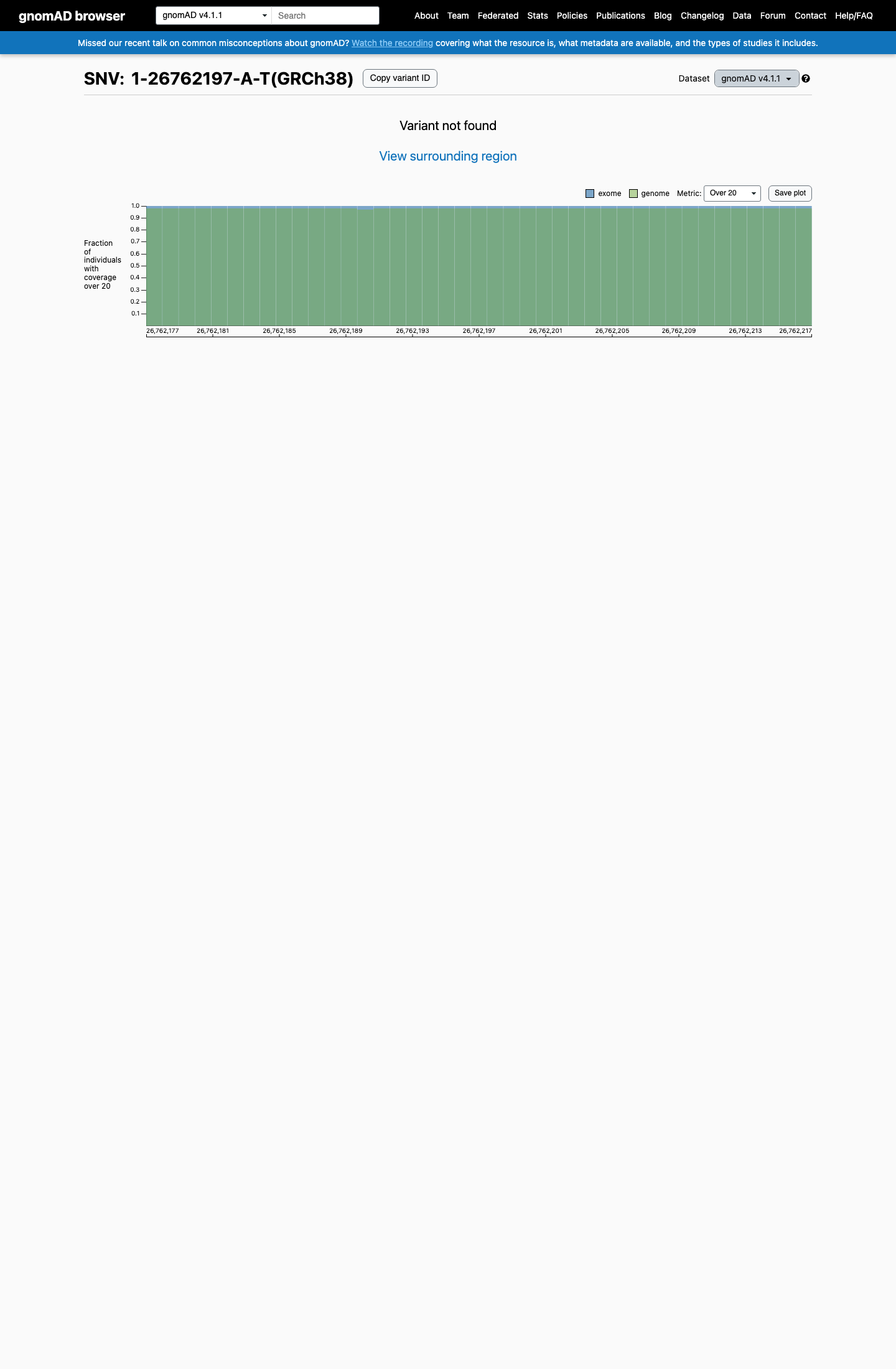
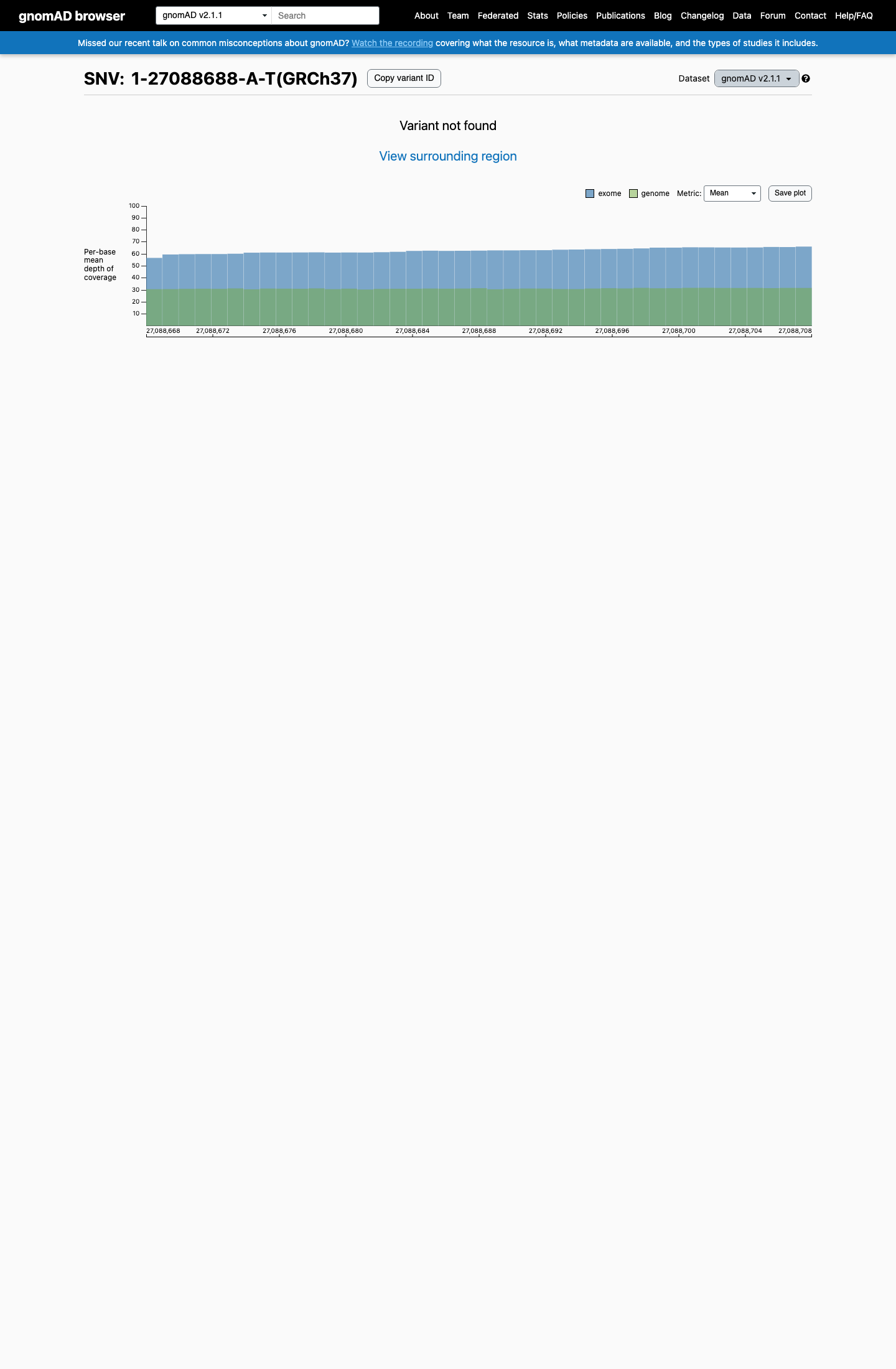
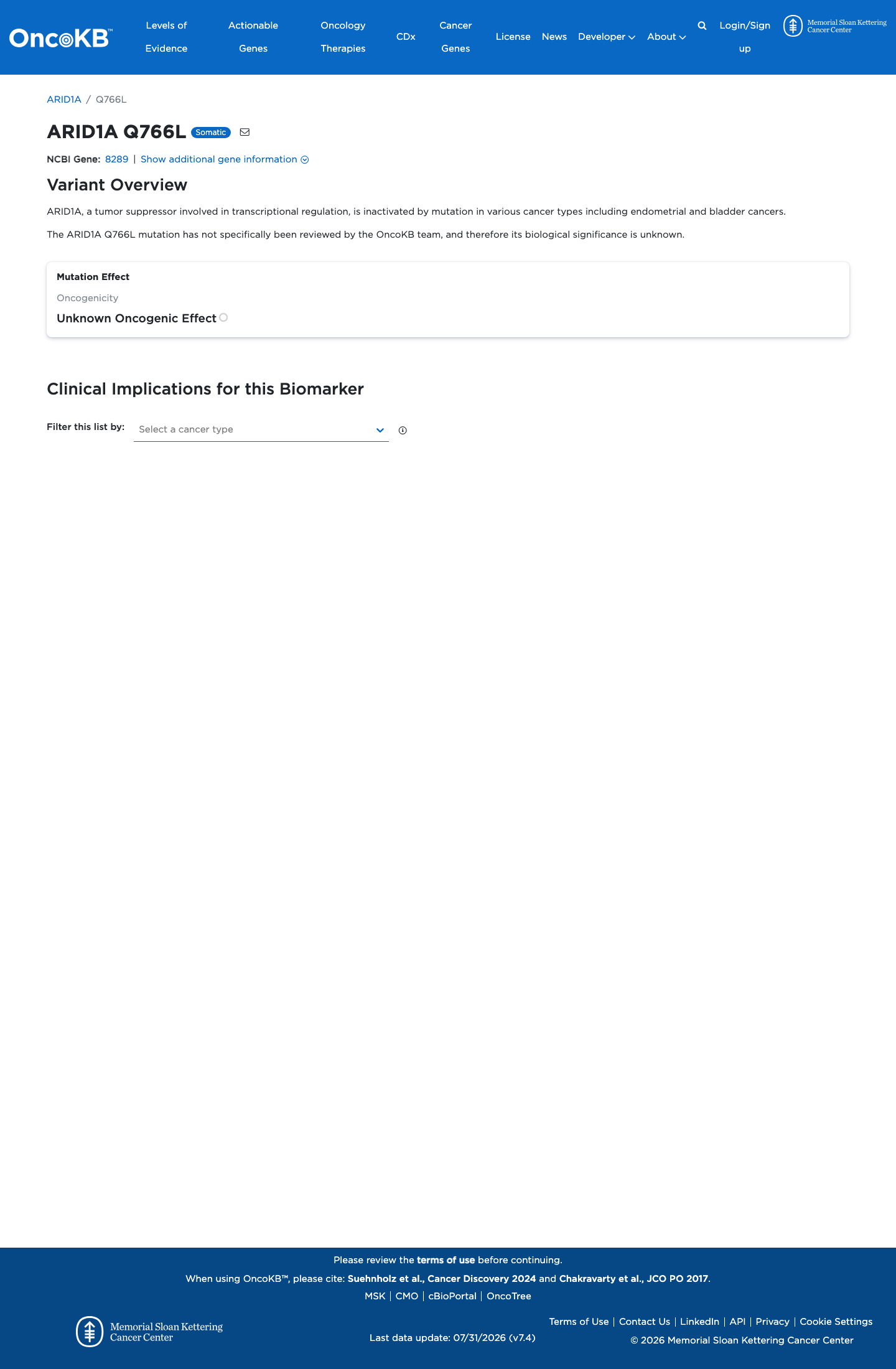
Not assessed: insufficient evidence was available to compare this amino acid change against an established pathogenic variant at the same residue.
PS2
Not assessed: no parental testing or confirmed de novo occurrence data were available for this variant.
PS3
Not assessed: no published functional assay data (e.g., transcriptional or chromatin-remodeling activity) were available for this variant.
PS4
Not assessed: no affected-case series or case-control data were available to establish increased prevalence in affected individuals.
PM1
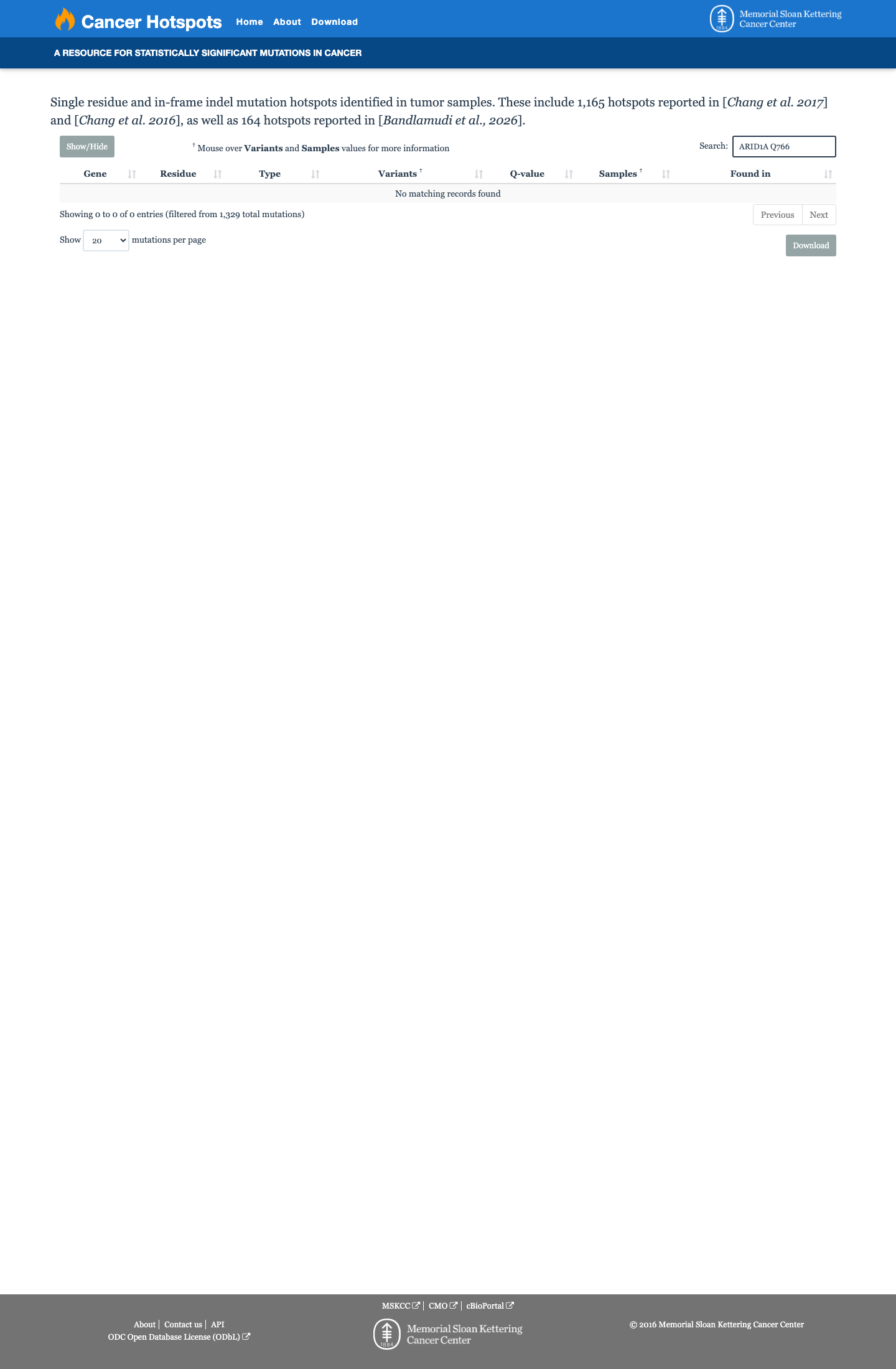
Not assessed: insufficient evidence was available to determine whether this variant lies in a well-established functional domain.
PM3
Not assessed: no evidence of a second ARID1A variant in trans or a recessive disease pattern was available.
PM5
Not assessed: insufficient evidence was available to determine whether a different pathogenic missense change exists at this same residue.
PM6
Not assessed: no parental testing or phenotype data were available to support an unconfirmed de novo event.
PP1
Not assessed: no family segregation data (affected or unaffected relatives tested for this variant) were available.
PP2
Not assessed: insufficient evidence was available to determine the proportion of benign missense variation in this gene.
PP3
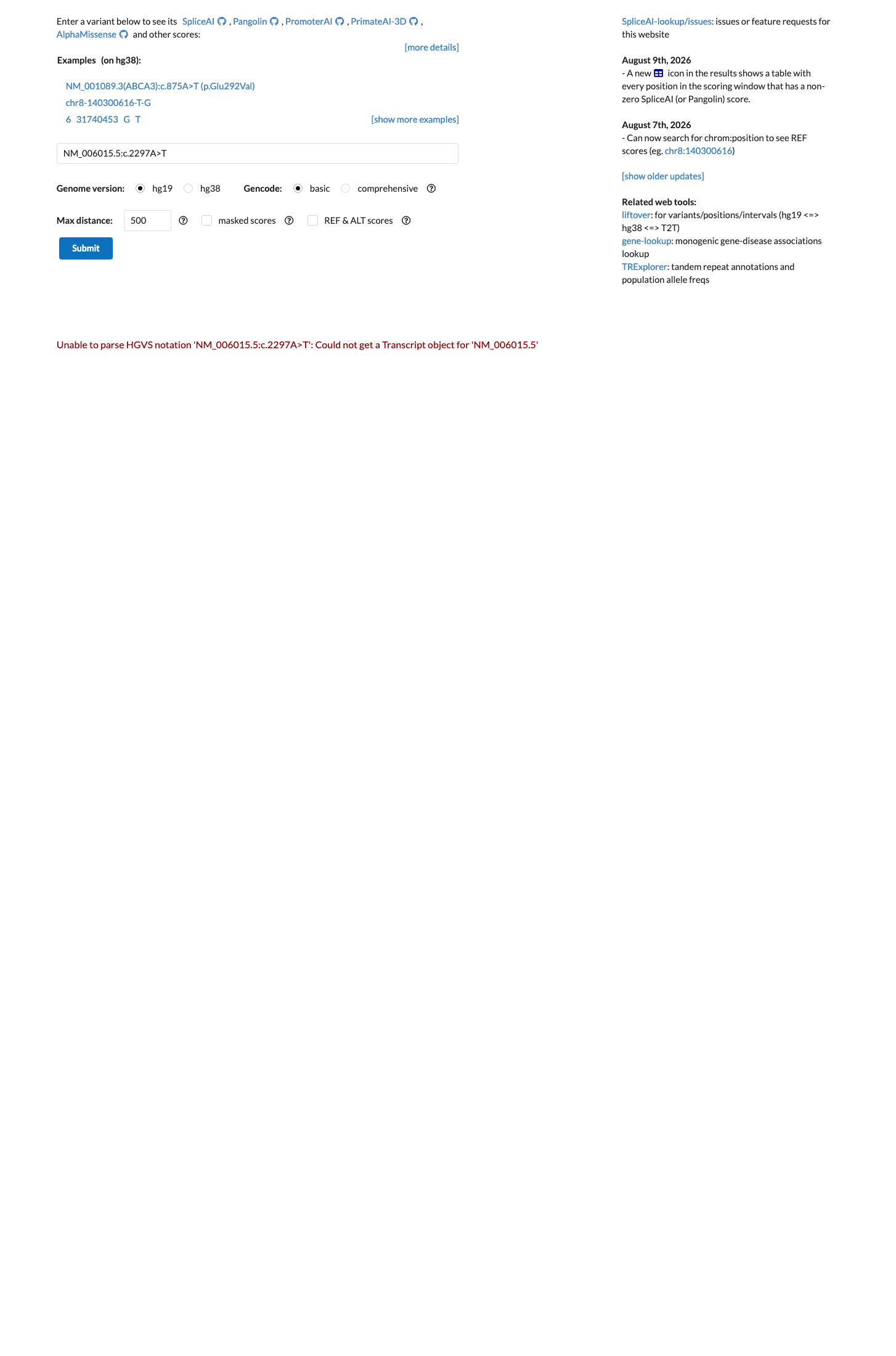
Not met: REVEL score 0.256 falls below the >=0.644 supporting threshold for pathogenic prediction.
PP4
Not assessed: no patient phenotype description was available to establish a highly specific disease pattern.
PP5
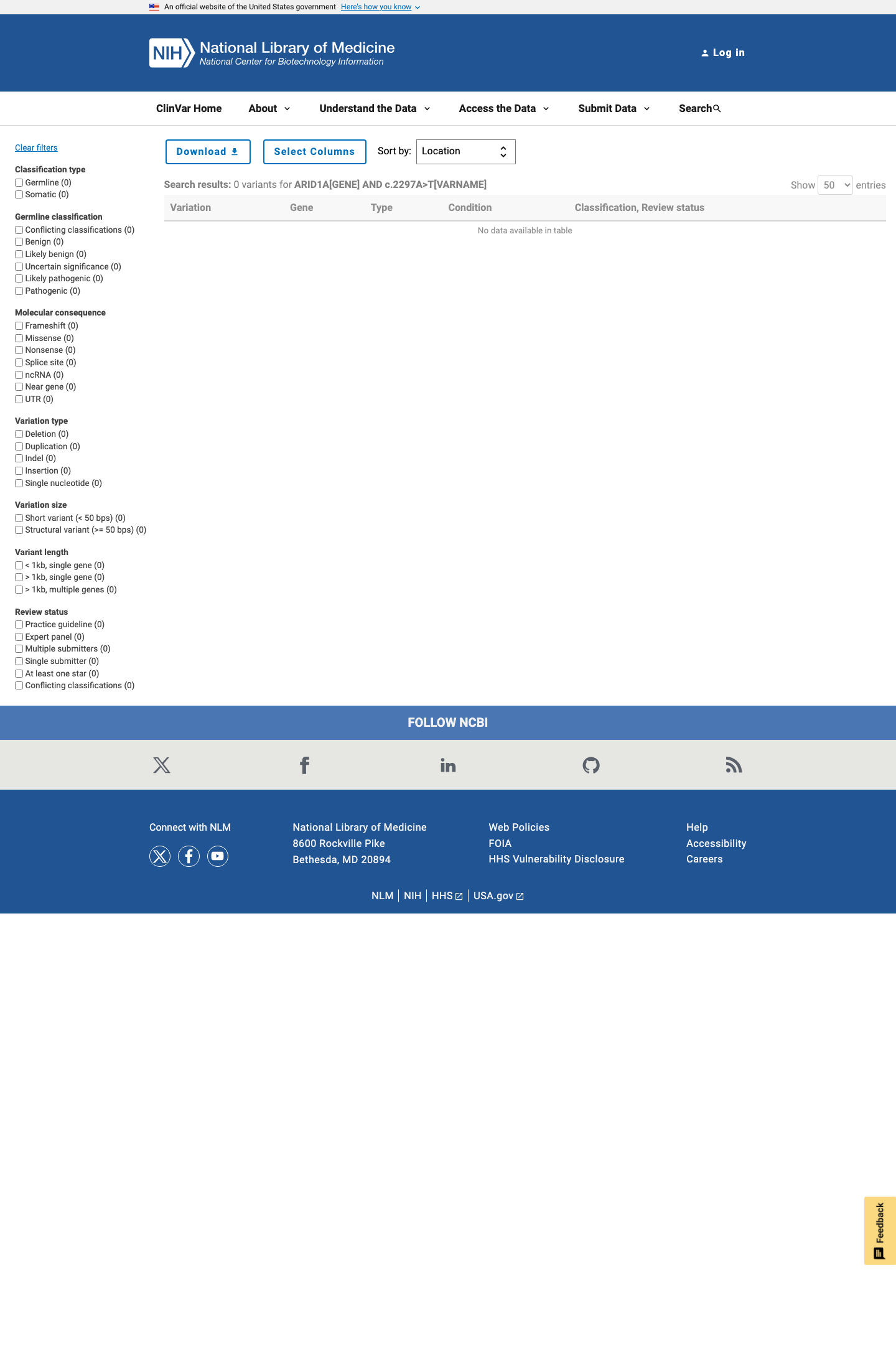
Not met: this exact variant is absent from ClinVar, so no expert-panel pathogenic classification exists.