PIK3CA encodes the p110α catalytic subunit of phosphoinositide 3-kinase (PI3K), an enzyme that converts the membrane lipid PIP2 into PIP3, thereby activating signaling cascades such as the AKT-mTOR pathway that promote cell survival, proliferation, growth, and motility. It is among the most commonly mutated genes in cancer, and aberrant activation of PI3K signaling is a driving event in tumor development, with the gene implicated in cancers including cervical cancer. Because this pathway is central to tumor growth, it is a major target of cancer therapies, although drug-induced pathway activation can also contribute to treatment resistance.
This variant
PIK3CA is among the most commonly mutated genes in cancer, where aberrant PI3K-AKT-mTOR pathway activation drives tumor development. This variant remains a VUS: its location in a critical functional domain and absence from population databases are supporting but not sufficient evidence of pathogenicity, so its contribution to PIK3CA-related disease is uncertain.
Transcript
NM_006218.4
HGVS · transcript:coding
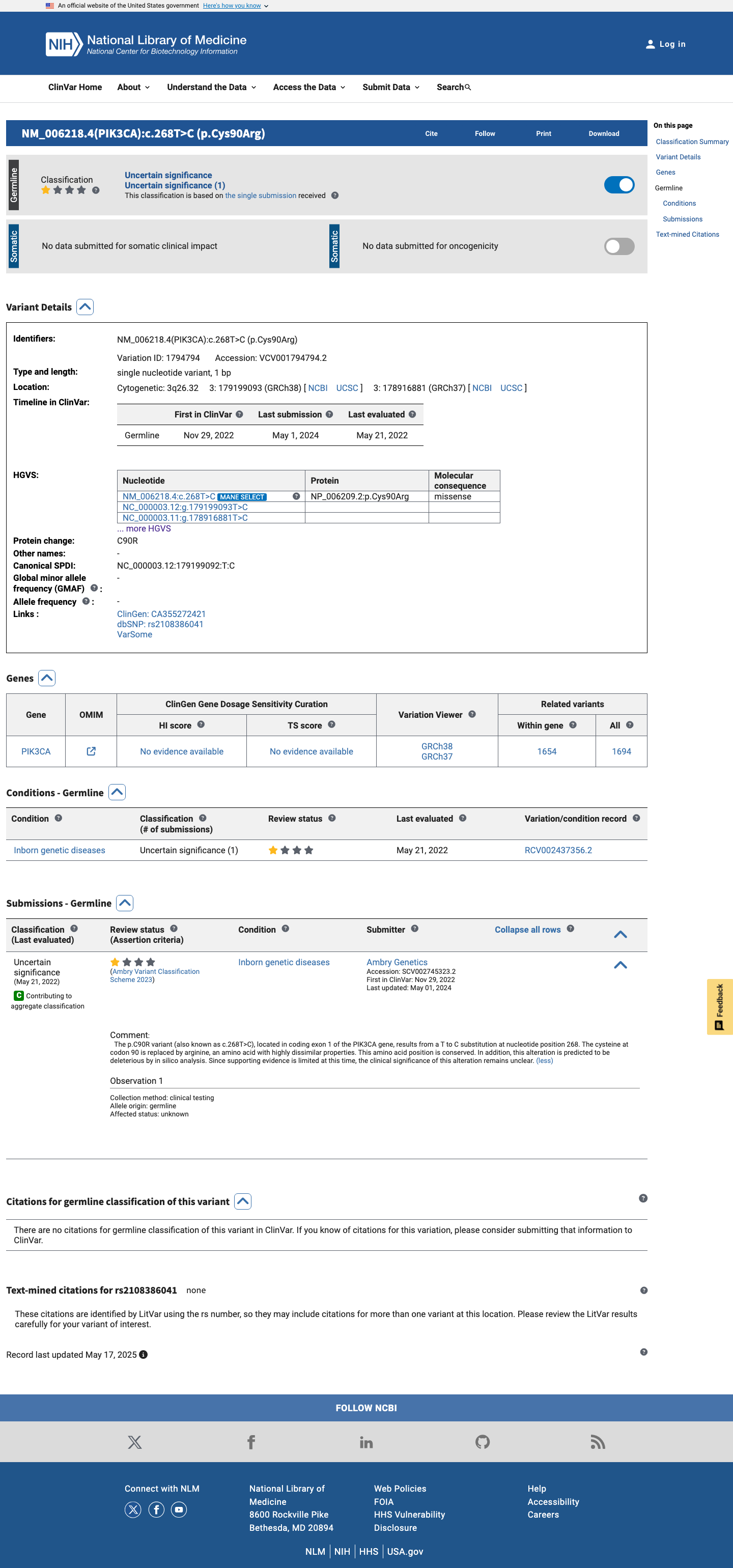
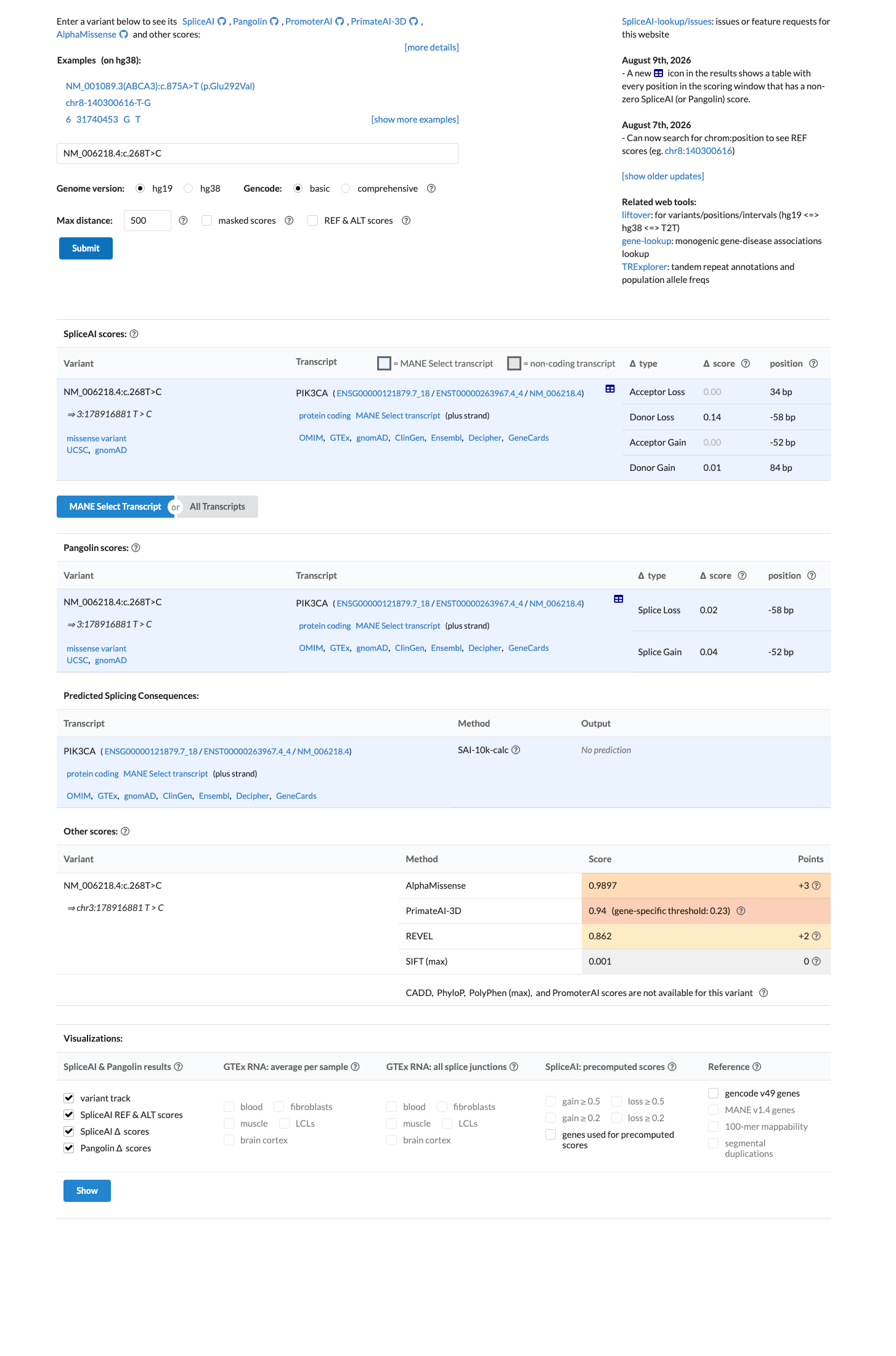
NM_006218.4:c.268T>C
GRCh38
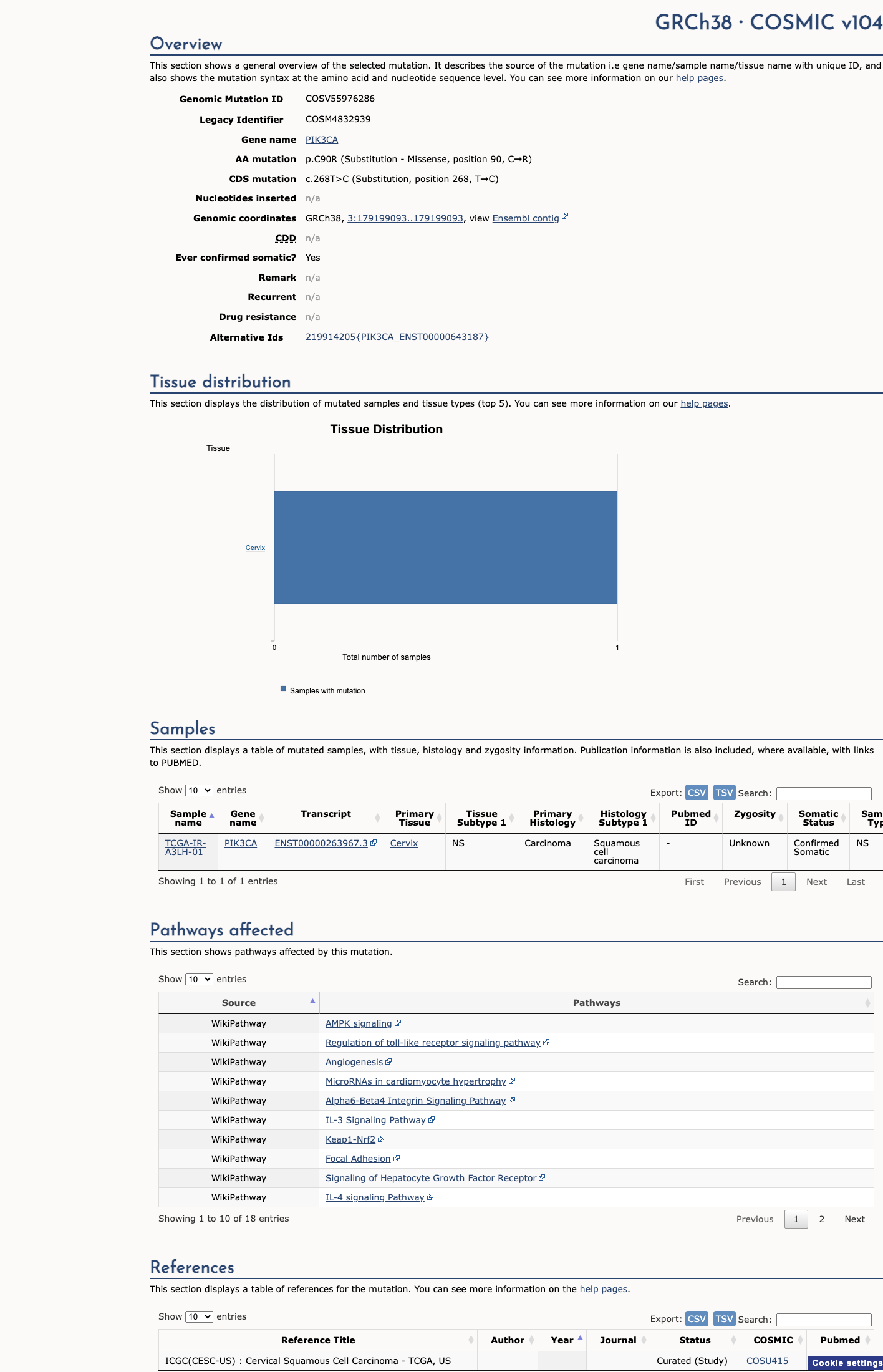
chr3:179199093 T>C
GRCh37
chr3:178916881 T>C
BasisPM1 and PM2 were each met at supporting strength, but two supporting criteria do not reach the ACMG/AMP 2015 threshold for pathogenic or likely pathogenic.▾
PM1 and PM2 were each met at supporting strength, but two supporting criteria do not reach the ACMG/AMP 2015 threshold for pathogenic or likely pathogenic.
Classification rationale
PM1PM2VUS
PIK3CA c.268T>Cmissense · exon 2
PM1 (Supporting): residue 90 falls in the critical PI3K adaptor-binding domain (amino acids 31-108). PM2 (Supporting): the variant is absent from gnomAD v2.1, v4.1, and gnomAD-Canada v1.0. Overall: VUS - two supporting pathogenic criteria (PM1 + PM2) are below the ACMG/AMP 2015 combination threshold for pathogenic or likely pathogenic.
PM1 + PM2→VUS
Gene diagram
· NM_006218.4 · variants mapped to exon structure
PIK3CANM_006218.4
Fetching transcript structure from UCSC…
Exons
—
Transcript span
—
Strand
—
Variants mapped
—
Source
UCSC ncbiRefSeqCurated
All variants in PIK3CA—click a row to locate it on the plot · use the link column to open its page
Variant ↕
Protein
Location
Classification
Link
Applied criteria · 2 applied · 12 assessed
MetEvidence satisfies this criterion.
Not metEvaluated against available evidence; threshold not reached.
Not assessedApplies in principle, but no evidence was found to evaluate it.
N/ADoesn't apply to this variant type.
Applied · 2
Strength Supporting Moderate Strong Very strong
✓
PM1supportingPathogenic
Met (Supporting): residue 90 falls within the PI3K adaptor-binding domain (amino acids 31-108), a critical functional domain in the approved table.
The VCEP PM1 rule awards Supporting evidence for residues affecting critical functional domains provided in Table 4.The authoritative PIK3CA domain table lists PI3K ABD residues 31-108, kinase Ras-binding residues 173-292, and kinase-domain intervals 322-483 and 797-1068.The case protein consequence is p.Cys90Arg; residue 90 is within the approved PI3K ABD interval 31-108 and outside the other listed intervals.
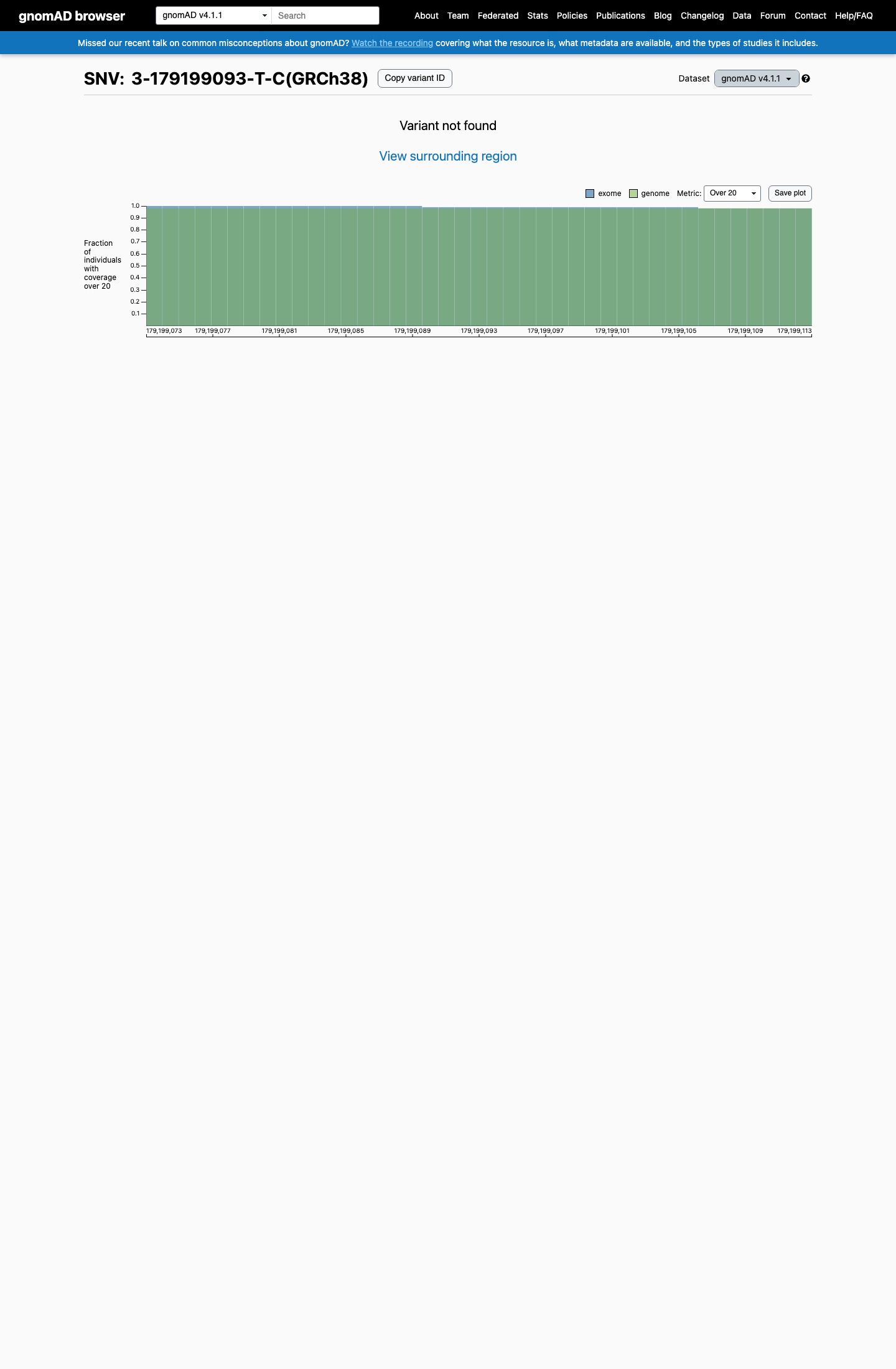
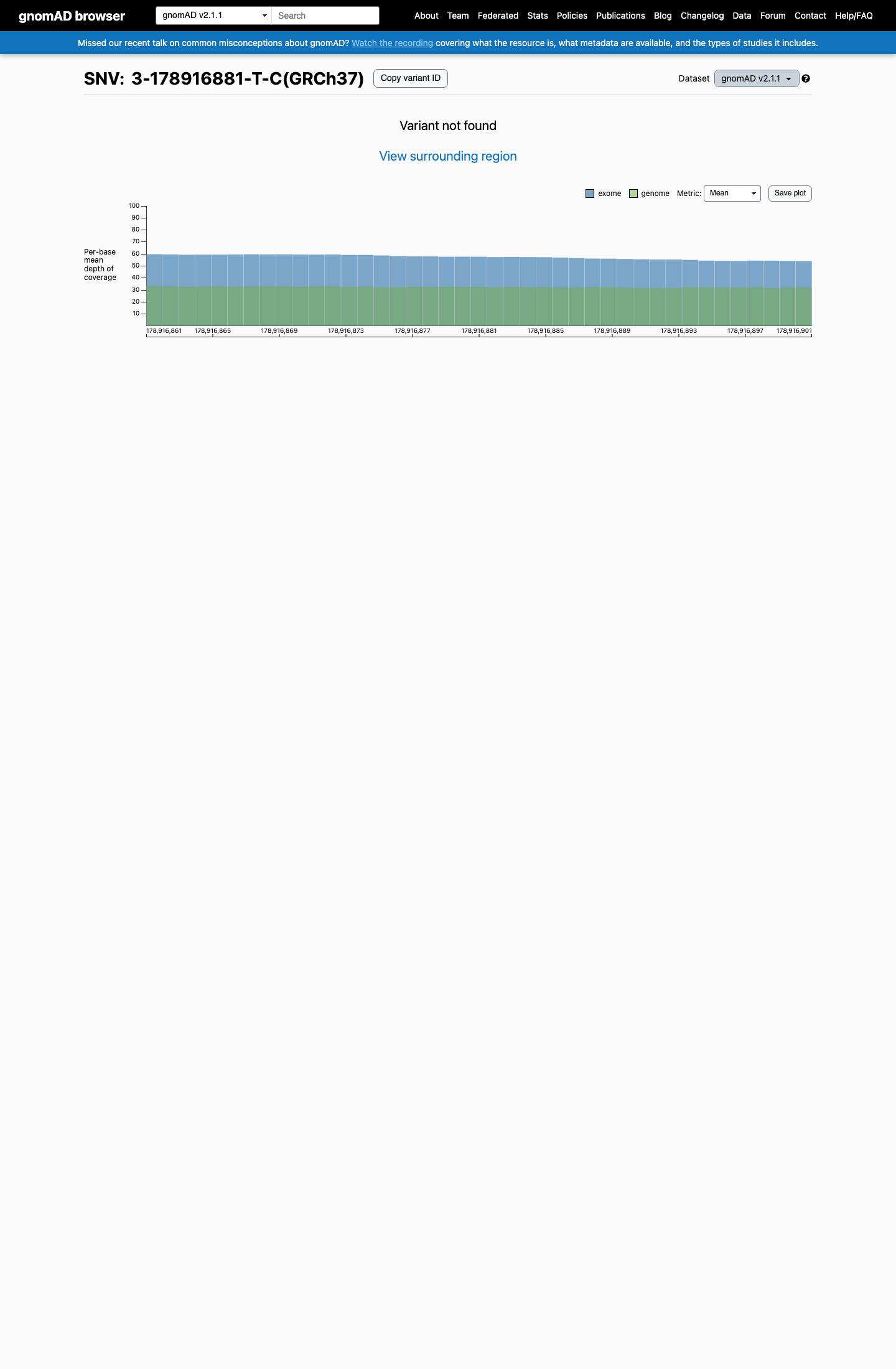
Met (Supporting): the variant is absent from gnomAD v2.1, gnomAD v4.1, and gnomAD-Canada v1.0 population databases.
The governing Brain Malformations VCEP specifies PM2 at Supporting strength for a variant absent/rare from controls in an ethnically matched cohort population sample, with one population sample sufficient.The variant is reported absent from gnomAD v2.1, gnomAD v4.1, and gnomAD-Canada v1.0. These independent population resources provide concordant absence evidence, although the case does not state the patient's ancestry or provide detailed coverage metrics.
Assessed · not applied
· 3 not met · 9 not assessed
Pathogenic
PS1Not assessed: no pathogenic variant causing the same amino-acid change (p.Cys90Arg) has been previously established; the only ClinVar record is of Uncertain significance.
PS2Not assessed: no de novo documentation was available - no parental testing, maternity/paternity confirmation, or tissue comparison - so PS2 could not be awarded.
PS3Not assessed: no validated functional assay tested this exact variant; studies of the similar C90Y substitution cannot establish an effect for C90R.
PS4Not assessed: no affected cerebral-malformation cases with phenotype-point assignments or case-control enrichment data were available; one somatic cancer occurrence is insufficient.
PM5Not assessed: the same-residue comparator C90Y was not established as pathogenic; its study reported no increased activity or tumorigenic phenotype.
PP2Not assessed: the required missense-constraint z-score (threshold >3.09) was not available.
Benign
BA1Not met: the variant is absent from gnomAD v2.1, v4.1, and gnomAD-Canada, far below the >0.0926% BA1 threshold.
BS1Not met: the variant is absent from population databases, below the >0.0185% BS1 threshold.
BS2Not met: no gnomAD homozygotes and no heterozygous observations in well-phenotyped family members were available.
BS3Not assessed: no well-established functional study of this exact variant showing a benign effect was available.
BP2Not assessed: no cis/trans phase information with a known pathogenic PIK3CA variant was available.
BP5Not assessed: no report shows this variant in a person whose phenotype has an established alternate molecular basis.
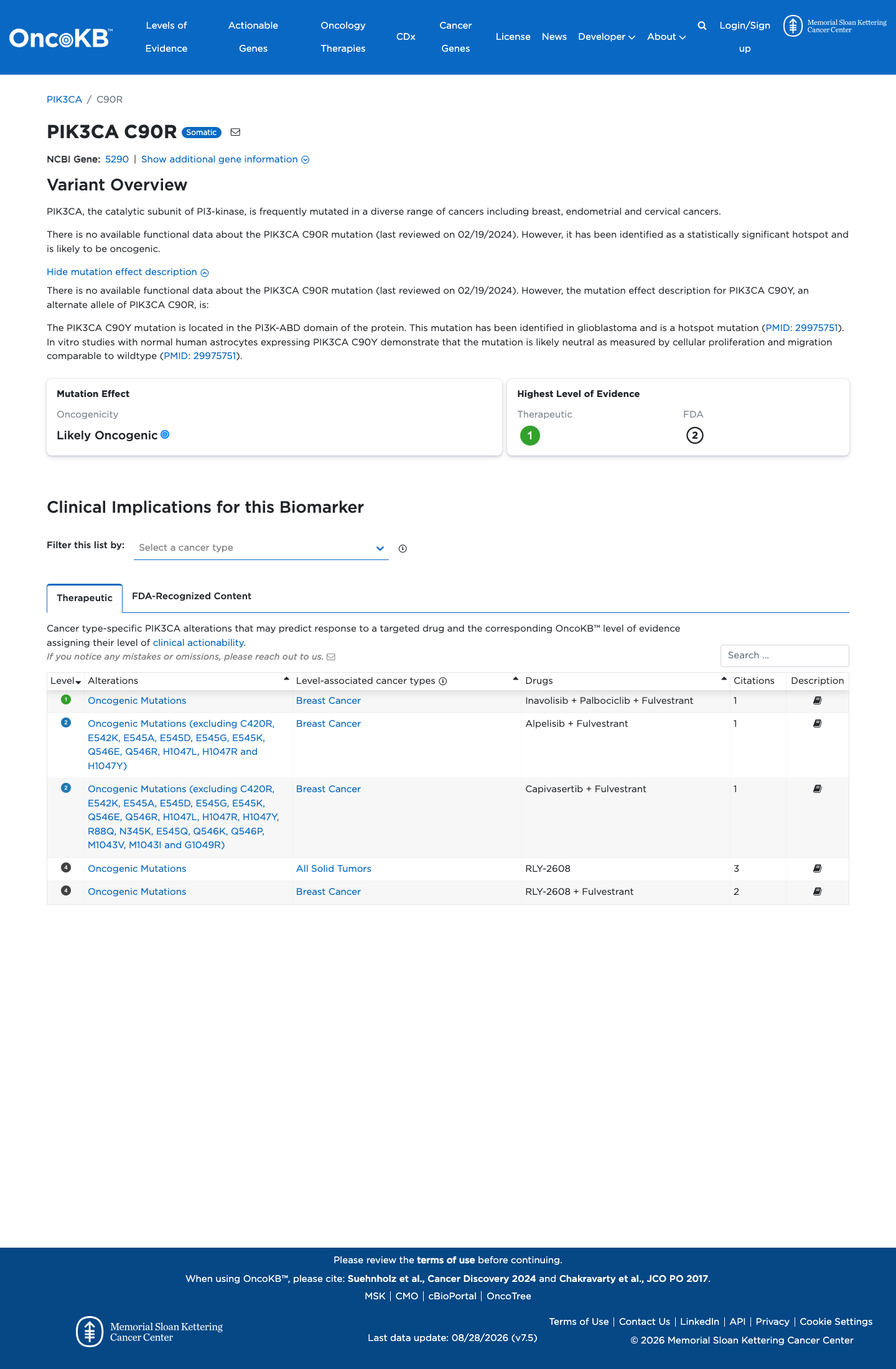
This variant lies in a statistically significant hotspot. This variant has previously been reported in somatic cancers (COSMIC; COSV55976286, n = 1 times).
Hotspots
This variant lies in a statistically significant hotspot.
Triaged references · 6 PMIDs not cited in assessment
29975751 ↗PIK3CA missense mutations promote glioblastoma pathogenesis, but do not enhance ONCOKB
23037933 ↗Including the initial newborn screening bloodspot collection device serial number on birth certificates: basis and recommendations from the Secretary of Health and Human Services' Advisory Committee on Heritable Disorders in Newborns and Children.CLINVAR
23169492 ↗The perspective from EASAC and FEAM on direct-to-consumer genetic testing for health-related purposes.CLINVAR
23619275 ↗ACMG position statement on prenatal/preconception expanded carrier screening.CLINVAR
24121147 ↗Appropriateness of newborn screening for α1-antitrypsin deficiency.CLINVAR
24394680 ↗Parental permission for pilot newborn screening research: guidelines from the NBSTRN.CLINVAR